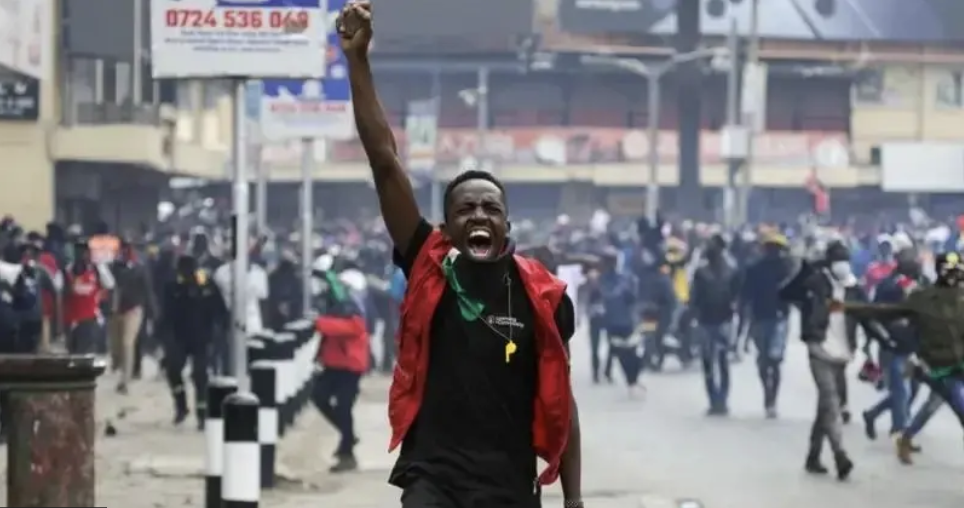
The Ngong Law Courts have acquitted 50 youths who were arrested in Ongata Rongai within Kajiado North Constituency during the Gen Z-led demonstrations of June 24, 2024.
The group had been charged in connection with protests opposing the approval of the Finance Bill 2024, demonstrations that drew widespread youth participation across the country.


In his ruling, Chief Magistrate Charles Kutwa found that the prosecution had failed to present any witnesses to support the charges. The court noted that without testimony or evidence, the case could not stand, leading to the acquittal of all the accused persons. The magistrate further ordered that all cash bail deposited by the youths be refunded, effectively setting them free.
Speaking after the decision, the accused, through their lawyer Shadrack Wambui, welcomed the outcome and thanked the court, terming it a just ruling. They said they would now focus on rebuilding their lives following the conclusion of the case.
The acquittal comes amid renewed plans for another wave of protests. Kenyans are expected to return to the streets on Tuesday in what has been dubbed the #RejectFuelPrices showdown.
Gen Z activists have been intensifying a coordinated campaign aimed at mobilising citizens to once again take to the streets, push back against rising living costs and demand government accountability. The movement has largely been organised online, with X emerging as the central platform for mobilisation and messaging.
Over the past week, users have amplified calls for demonstrations, with the #RejectFuelPrices hashtag gaining traction nationwide. Protesters are expected to demand a reduction in fuel prices, which have recently climbed above KSh200 per litre, as well as broader reforms within the energy sector.
Many Kenyans have pointed fingers at the Energy Ministry, accusing it of mismanagement and lack of transparency. The situation has been further complicated by an ongoing fuel importation scandal that has seen senior officials arrested and questioned, raising fresh concerns about governance and oversight in the sector.
As tensions build, attention now turns to how authorities will respond to the anticipated protests and whether lessons from previous demonstrations will shape the handling of the unfolding situation