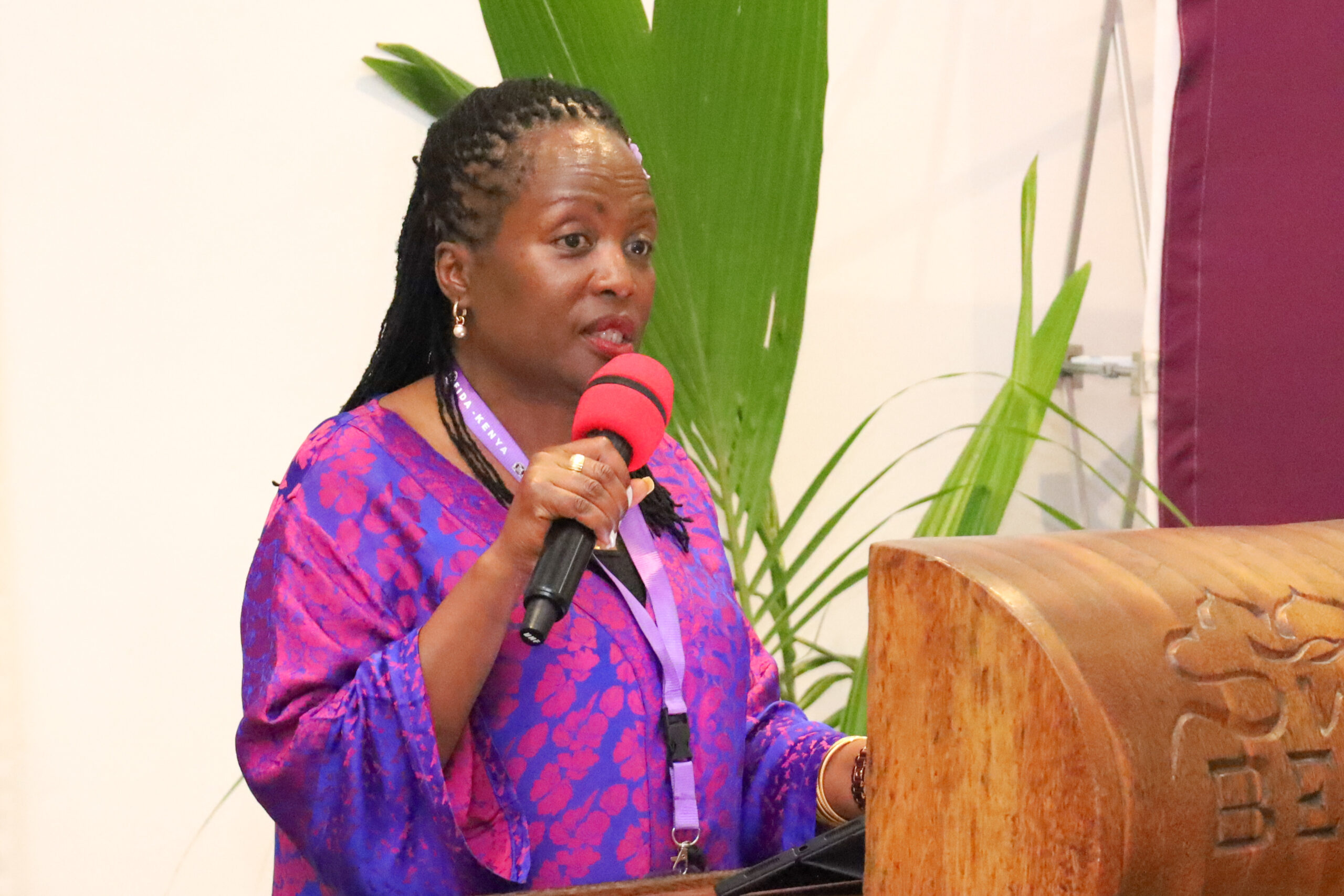
Rape remains among the leading sexual offences resulting in convictions in Kenya, as the Judiciary’s register of convicted sexual offenders records 10,894 convictions, Chief Registrar of the Judiciary Winfridah Mokaya has said.
Mokaya said defilement accounts for the highest number of offences captured in the register, followed by rape, attempted defilement, incest and sexual assault.


Speaking during a panel discussion at the FIDA Kenya Annual Conference, the Chief Registrar said the Judiciary has automated the register to improve access to information and enable data-driven interventions in addressing sexual and gender-based violence.
Figures presented during the discussion showed Nairobi accounting for the highest proportion of recorded cases at 17 percent, followed by Kilifi at 14 percent, Murang’a at 13 percent and Uasin Gishu at 10 percent.
Kitui, Trans Nzoia, Nakuru, Mombasa, Kiambu and Makueni were also cited at 8 percent.
Mokaya said the Judiciary is increasingly using the data to identify areas requiring targeted interventions and to guide the allocation of resources within the justice system.
She also highlighted emerging concerns in the Western region, saying officials were informed during a recent visit that Vihiga was recording the highest number of sexual and gender-based violence cases.
The Chief Registrar said sexual and gender-based violence remains a wider societal problem that cannot be addressed through court processes and criminal sanctions alone.
The Judiciary is consequently working with county governments towards establishing rescue centres for survivors, while Court Users Committees are being used to strengthen sensitisation and advocacy at the community level.
Mokaya also highlighted reforms aimed at improving the treatment of survivors within the justice system, including the Practice Directions for the Management of Gender Justice Cases 2024.
The framework provides for a trauma-informed and victim-centred approach to sexual and gender-based violence cases while seeking to ensure their expeditious resolution.
She noted that gender-based harm can take several forms, including physical, sexual, psychological, economic and social harm.
The Judiciary is also moving towards integrating gender justice principles throughout the court system instead of relying solely on standalone gender justice courts, which would require substantial additional infrastructure, personnel and financial resources.