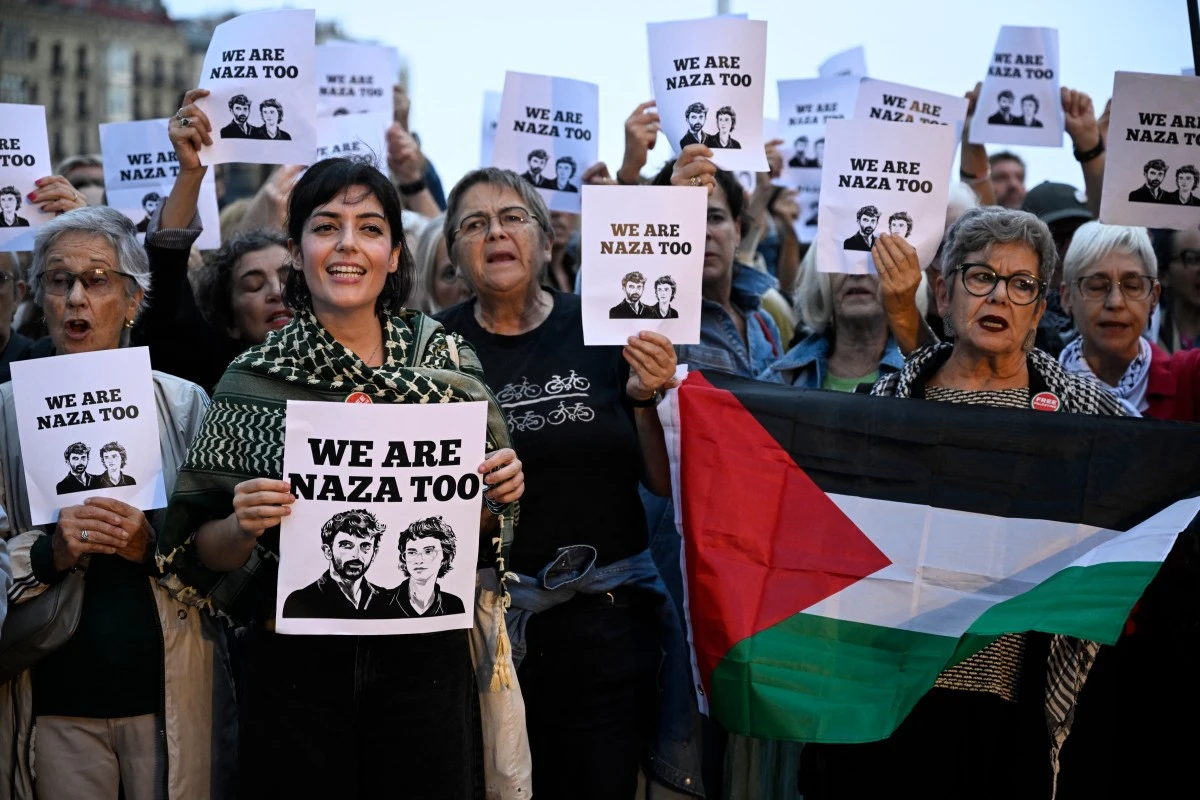
Israeli Prime Minister Benjamin Netanyahu has called for an investigation into the anonymous military whistleblowers featured in NAZA, a documentary examining alleged civilian killings in Gaza, and urged authorities to pursue legal action against those involved.
In a statement issued on Sunday, Netanyahu’s office said he had requested the Israeli military chief of staff, the head of the Shin Bet domestic intelligence agency and the state attorney to conduct a comprehensive investigation into the film’s contributors and consider prosecuting them.


The documentary features testimonies from 24 unnamed Israeli military whistleblowers who allege that the army used artificial intelligence-powered targeting systems in operations that resulted in the deaths of numerous civilians in Gaza. The film’s title, NAZA, is derived from an Israeli military term referring to anticipated civilian casualties during airstrikes, based on a Hebrew expression meaning collateral damage.
The production has attracted international attention after receiving a special jury prize at the Venice Film Festival, where it reportedly earned a 25-minute standing ovation. However, its allegations have provoked strong political opposition in Israel.
Netanyahu has dismissed the documentary as misleading, accusing its creators of presenting a biased account intended to damage Israel’s international reputation and undermine its military. The prime minister has previously expressed support for legislation that would allow citizenship to be revoked from individuals accused of defaming Israeli soldiers. The Israeli military has rejected the allegations presented in the documentary, questioning the credibility of the anonymous sources and categorically disputing the claims.
The controversy comes amid continued scrutiny of Israel’s military campaign in Gaza, launched following Hamas’s October 7, 2023, attacks on Israel.
According to Gaza’s health ministry, which operates under Hamas administration, the conflict has killed more than 74,000 people. The United Nations has generally regarded the ministry’s casualty figures as reliable, although independent verification of individual deaths remains challenging.
The proposed investigation raises further questions about the treatment of military whistleblowers and the legal implications of disclosing information about military operations.