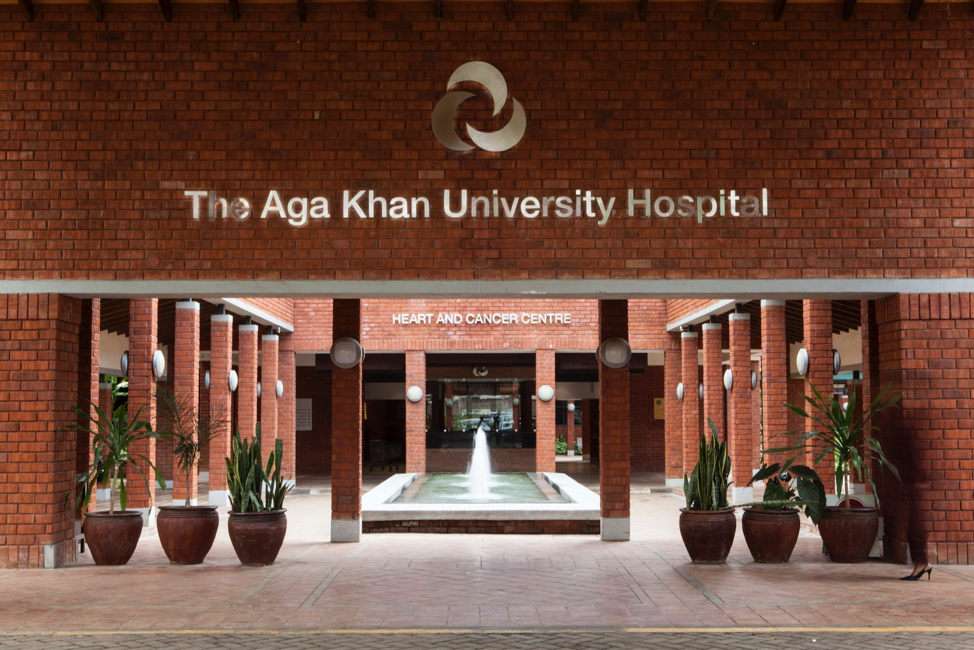
Aga Khan University Hospital has been fined Sh1 million after the medical council’s disciplinary committee found that delays and failures in treatment materially contributed to the death of a mother who returned to the hospital seriously ill after childbirth.
The Kenya Medical Practitioners and Dentists Council’s Disciplinary and Ethics Committee found the hospital negligent in the treatment and management of Valerie Cherono Misoi, who died on September 1, 2019, days after delivering her second child.


The ruling, dated August 3, 2026, follows a complaint lodged by her husband, Lawrence Oyaro, through Githogori & Harrison Associates Advocates LLP. The committee found that Misoi went approximately 12 hours without receiving antibiotics after arriving at the hospital’s Accident and Emergency department, allowing her infection to deteriorate into septic shock.
It also found that her transfer to critical care was significantly delayed despite warning signs, including low blood pressure and a rapid heartbeat. “The Committee finds that the Respondent Hospital was negligent in the treatment and management of the Patient and this negligence materially contributed to the Patient’s deterioration and eventual death,” the ruling states.
Oyaro told the committee that his wife delivered a baby girl at the hospital in August 2019 and was subsequently discharged after doctors assured them that both mother and baby were stable. However, she developed fever, chills, severe abdominal pain and unusual vaginal discharge after returning home, prompting the family to take her back to hospital.
The committee found that an emergency doctor recognised the seriousness of her condition and contacted the on-call gynaecologist. However, information about her condition was not effectively passed to the incoming doctor during a shift handover.
According to the findings, Dr. Albert Gichuki reviewed Misoi approximately five hours after her arrival at the emergency department. The committee faulted him for placing excessive reliance on laboratory results while failing to adequately assess symptoms pointing to a serious infection following childbirth.
It found that early treatment focused on relieving pain while the underlying infection required urgent attention. Antibiotics were prescribed at midnight but were only administered at 6 a.m., a six-hour delay that the committee described as a significant departure from the expected standard of care.
The committee also cited testimony from critical care team leader Dr. David Misango, who said Misoi should have been admitted directly to critical care from the emergency department. Earlier intervention, he testified, could have offered her a meaningful chance of survival. Although the committee found that supportive treatment in the High Dependency Unit and Intensive Care Unit was appropriate, it identified shortcomings in specialist coordination.
It noted that the infectious disease team did not review Misoi despite indications that such a consultation was required and the hospital having the relevant specialists. The hospital was also faulted for inadequate clinical records and failing to hold a family conference to explain her condition to relatives.
Beyond the fine, which is payable to the council, the hospital was directed to enter mediation with Oyaro towards an amicable settlement and report the outcome within 90 days.
It must also demonstrate that its emergency obstetric and neonatal care protocols have been reviewed, updated and communicated to staff and medical contractors, and show compliance with maternal and perinatal death surveillance and response processes.
Dr. Gichuki was admonished for lacking situational awareness and failing to consult senior colleagues promptly. The committee found that Dr. Nyawira, Dr. Umar and Dr. Obare had no case to answer and absolved them of liability in the matter.