Three Kenyans have moved to the High Court seeking to stop the use and enforcement of halal certification marks on meat products, arguing that the system is operating without a clear legal framework and is affecting consumers and businesses.
Dennis Nthumbi, Dennis Owuor Ochanda and Henry Barasa Tom, in a constitutional petition filed under urgency, want the court to declare the current certification regime unlawful unless expressly anchored in statute.

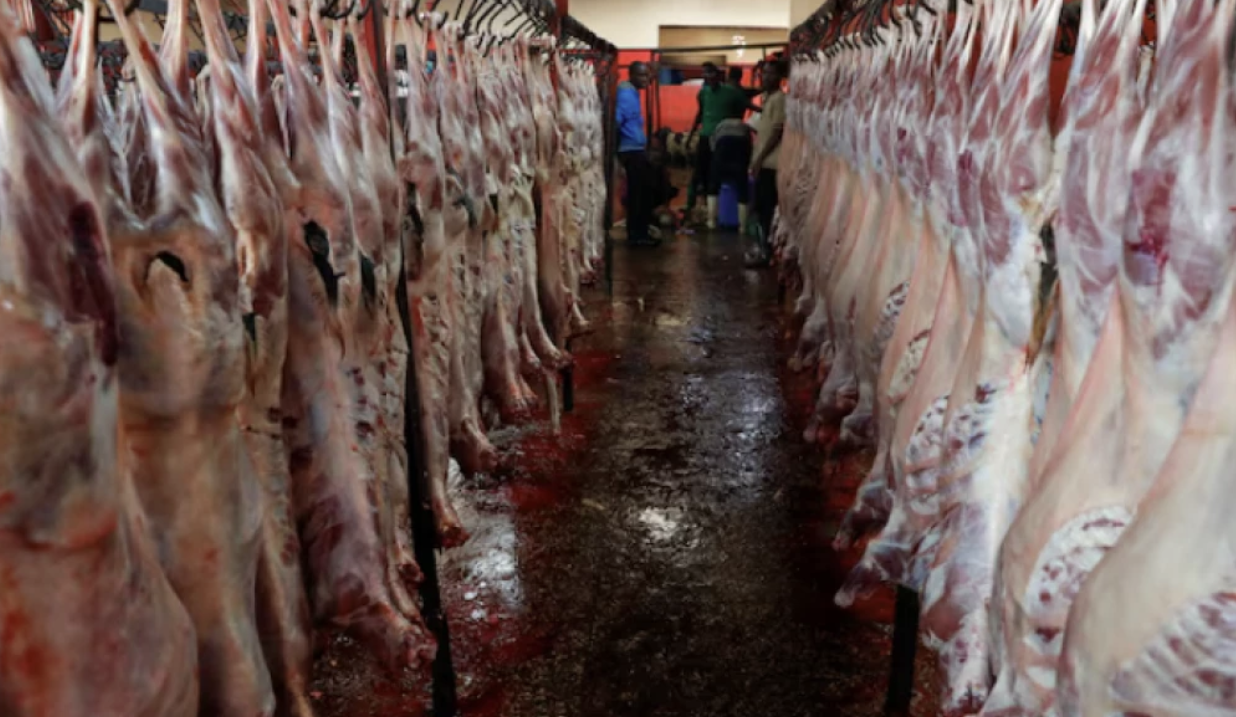
The three argue that halal certification, largely administered by private entities, has become widespread across Kenya’s meat supply chain, from slaughterhouses to supermarkets, effectively influencing access to markets and participation in trade.
According to the petition, the growing presence of halal marks on meat products raises concerns over consumer rights, particularly on access to information, pricing transparency and fair administrative action. The petitioners claim that many consumers are unaware of what the certification entails or whether its costs are passed on through product prices.
They further argue that meat inspection and public health oversight are statutory functions that should remain under government agencies, warning that the influence of private certification systems risks blurring regulatory roles and undermining accountability. The petitioners are now seeking conservatory orders to restrain authorities and regulators from enforcing or allowing any certification on meat products that is not grounded in written law.
They also want the court to compel state agencies to disclose the legal basis, standards and cost implications of halal certification within Kenya’s meat industry. While maintaining that they do not oppose religious dietary practices, the trio insists the case is about ensuring transparency, legality and proper regulation in the use of certification marks in the food sector.
The case, filed on April 13, 2026, is expected to spark a wider legal debate on the intersection between religion, commerce and consumer protection in Kenya.