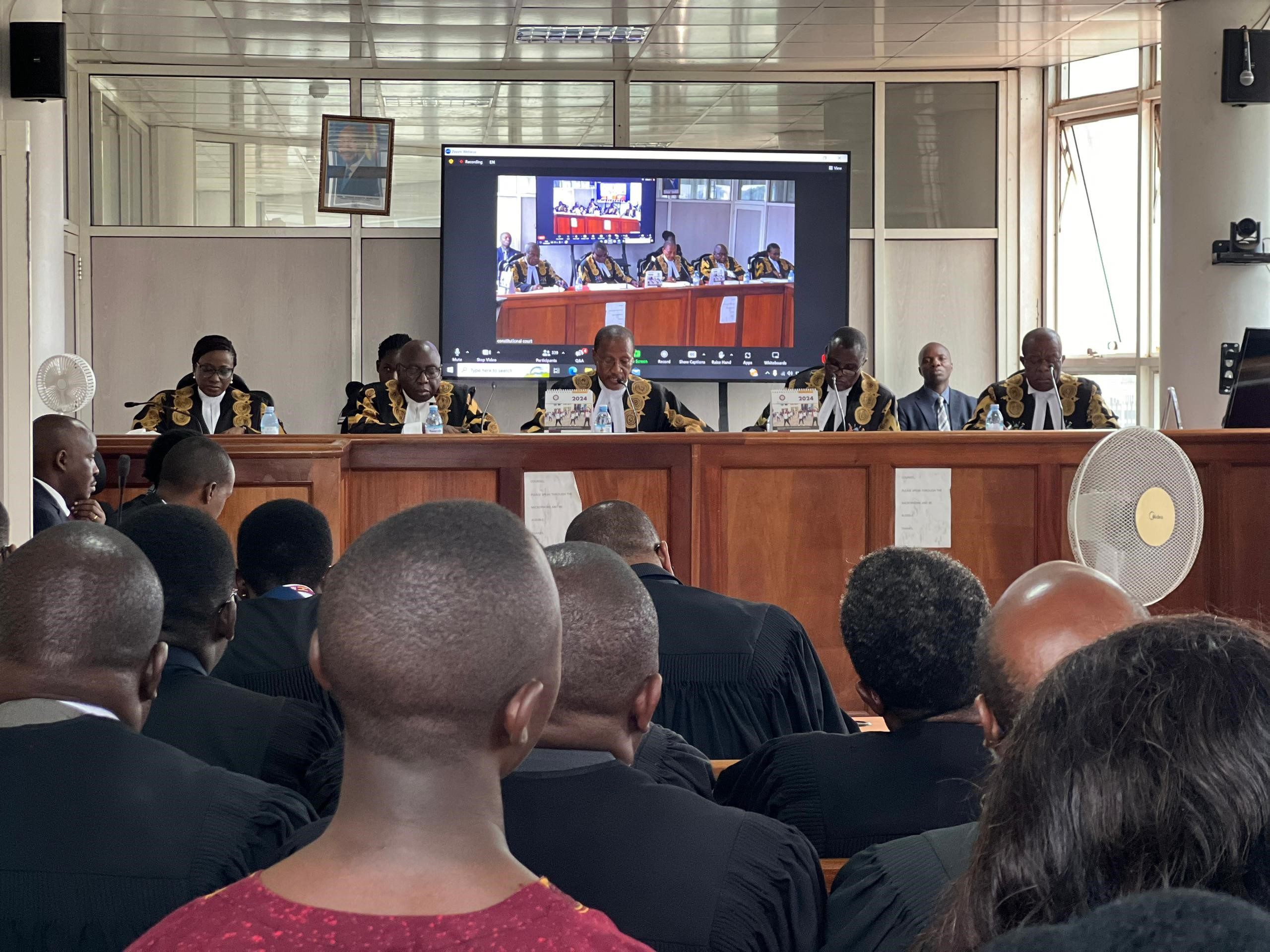
The Uganda Law Society (ULS) has directed its members to stop using colonial-era courtroom titles such as “My Lord,” “Your Lordship,” “My Lady,” and “Your Worship,” in a major move aimed at reshaping the country’s legal culture.
The directive, contained in Executive Order RNB No. 12 of 2026 and issued by ULS President and Head of the Bar Isaac Ssemakadde, also prohibits advocates from bowing before judicial officers. The order took effect immediately after it was issued on Tuesday, July 7, to coincide with Saba Saba Day, a day associated with resistance against authoritarianism in East Africa.

Instead of the traditional honorifics, lawyers have been instructed to address judicial officers using simpler titles such as “Mr. Justice,” “Madam Justice,” “Mr. Judge,” “Madam Judge,” “Mr. Magistrate,” “Madam Magistrate,” “Mr. Registrar,” “Madam Registrar,” or by their surnames where appropriate.
“The practice of bowing or any other form of physical subservience before judicial officers is henceforth prohibited for all members of the Uganda Law Society,” the executive order states.
The order further directs that, “All advocates and litigants appearing before any court or tribunal shall stand upright and speak as free citizens.”
According to Ssemakadde, the reforms are intended to remove traditions inherited from the colonial era that place judicial officers above the citizens they serve. The Law Society argues that the longstanding customs reinforce unnecessary hierarchy and create a justice system that appears distant from ordinary people.
“This Order shall strip away the theatrical props of elitism that insulate judicial officers from the daily discomfort, frustration, and powerlessness experienced by Ugandans in the justice system,” the order states. “By removing these barriers, we force the powerful to confront the humanity and dignity of the people they serve, or fail to serve.”
In explaining the broader reforms, Ssemakadde criticized Uganda’s justice system, alleging that it has been weakened by executive interference, corruption, case delays, selective justice and failures to address enforced disappearances, torture and attacks on lawyers. He also accused the military of interfering with judicial independence through unlawful arrests, detention of civilians, court invasions and the prosecution of civilians before military courts.
Beyond changing courtroom etiquette, the Law Society has announced a 90-day nationwide consultation involving judges, lawyers and citizens’ groups to review Uganda’s court culture.
The discussions will examine whether colonial wigs, gowns and the continued use of foreign legal language should remain part of the country’s legal system. The review will also consider changes to the Judiciary Client Charter, with the aim of rewriting it in plain language to make it easier for the public to understand while strengthening the right to accessible, timely and respectful justice. Although the executive order is already in force, it applies only to members of the Uganda Law Society and does not automatically change courtroom procedures or judicial practice across Uganda’s courts.
Source: Sahara Reporters