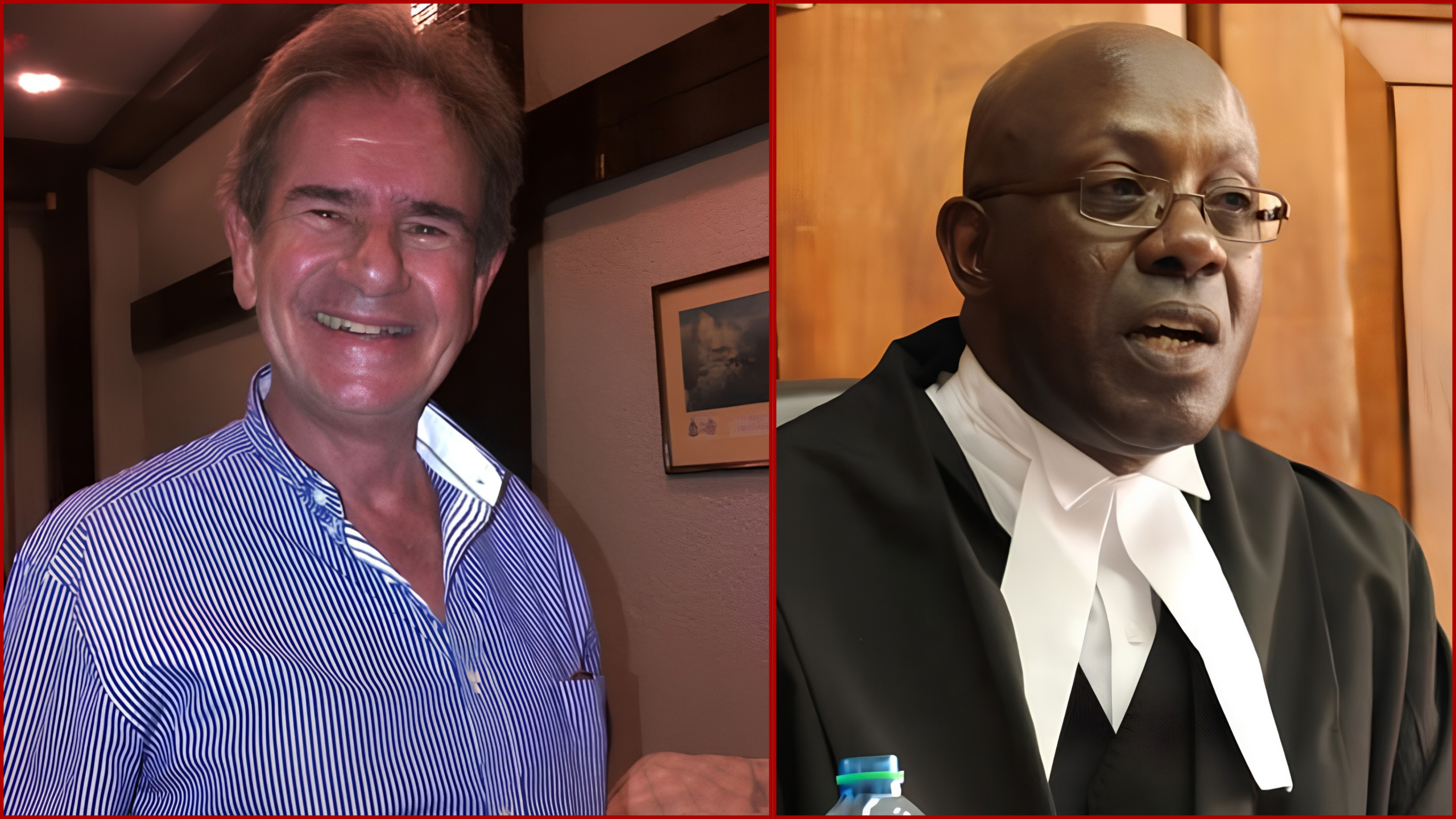
The High Court has stopped the Music Copyright Society of Kenya (MCSK) from collecting royalties and licence fees after finding that allowing it to continue operating would effectively permit it to perform the functions of a licensed Collective Management Organisation (CMO) despite currently having no licence. Justice L.P. Kassan restrained MCSK, its officials, agents and anyone acting under its authority from holding the organisation out as a licensed CMO or collecting, demanding, invoicing, receiving or levying royalties and licence fees where those activities require authorisation under Section 46 of the Copyright Act.
The orders will remain in force pending the hearing and determination of MCSK’s appeal challenging the Kenya Copyright Board’s (KECOBO) refusal to grant it a CMO licence, or until further orders of the court.


The dispute stems from KECOBO’s decision not to license MCSK for the licensing period beginning November 5, 2025. According to KECOBO, MCSK failed to satisfy the statutory requirements set out under Section 46 of the Copyright Act and the Copyright (Collective Management) Regulations, 2020.
MCSK challenged the decision before the Copyright Tribunal, but the appeal was dismissed on November 17, 2025. The organisation subsequently moved to the High Court seeking to overturn the decision. As the substantive appeal remained pending, MCSK sought interim orders that would enable it to continue collecting and distributing royalties.
It argued that it represents more than 15,000 authors, composers, publishers and other copyright owners and that stopping its operations would adversely affect members who rely on the organisation to administer their copyright interests. KECOBO opposed the application, arguing that MCSK could not continue exercising functions reserved for licensed CMOs when it had no valid licence. The regulator further accused MCSK of continuing to collect royalties and issue invoices despite its licensing application having been rejected and the Copyright Tribunal subsequently upholding that decision.
Justice Kassan found that MCSK’s appeal raises arguable issues that will have to be determined during the substantive hearing, including questions surrounding the interpretation of Section 46 of the Copyright Act, the legality of KECOBO’s decision, alleged procedural unfairness and constitutional rights under Articles 40 and 47.
However, the judge declined to allow MCSK to continue operating as a CMO while those questions remain unresolved. The court found that granting such interim relief would effectively give MCSK the practical benefit of a statutory licence despite KECOBO having refused to issue one. Justice Kassan observed that the court should be cautious about granting an interlocutory order whose effect would be substantially similar to issuing the very licence at the centre of the pending appeal.
On public interest, the court considered MCSK’s argument that thousands of copyright owners rely on it for royalty collection but found that the balance favoured preserving the existing regulatory position until the appeal is determined. The court noted that MCSK presently has no licence and that KECOBO’s refusal to issue one has already been upheld by the Copyright Tribunal. Allowing MCSK to operate during the appeal would therefore change that position, while restraining it would preserve the status quo until the High Court determines whether the licensing decision was lawful.
Consequently, Justice Kassan dismissed MCSK’s application dated December 10, 2025, which sought stay and injunctive orders that would have enabled it to continue its operations. Another application by MCSK dated January 14, 2026 was dismissed after the court found that it had been overtaken by events. The court instead allowed KECOBO’s application dated January 27, 2026 seeking orders stopping MCSK from undertaking functions requiring a CMO licence.
However, Justice Kassan made it clear that the interim orders should not be interpreted as a final determination that KECOBO lawfully refused to license MCSK. The legality of KECOBO’s decision remains one of the central questions to be determined when the substantive appeal is heard. The court also clarified that the orders do not extinguish proprietary or contractual rights belonging to individual copyright owners.
Justice Kassan directed the Deputy Registrar to prioritise preparation of the appeal record and have the matter listed for case management to facilitate an expedited hearing.