A Ukrainian national has gone on trial in Germany over allegations that he helped organise the 2022 explosions that damaged Russia’s Nord Stream gas pipelines in the Baltic Sea, in a case that could strain relations between Berlin and Kyiv.
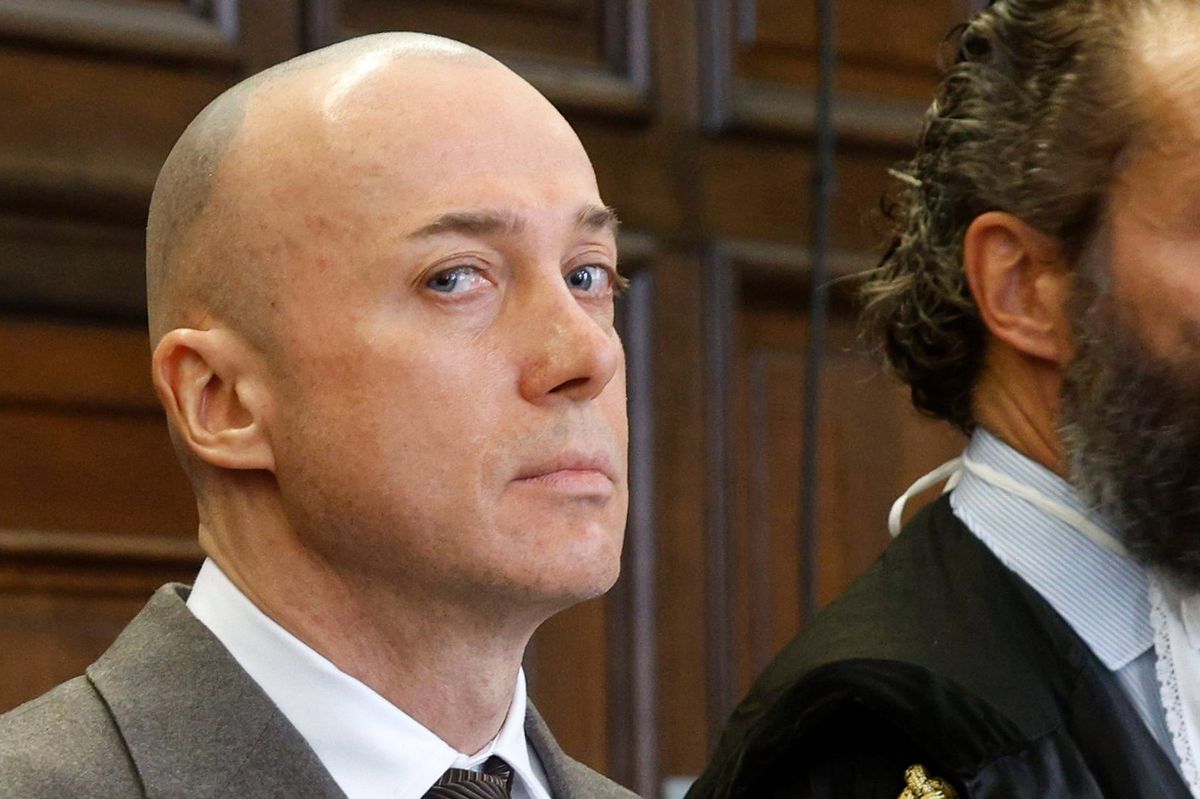
The suspect, identified by German prosecutors as Serhii K, is accused of working with other Ukrainian military personnel to sabotage the pipelines in an effort to cut off Russian gas revenues that helped finance Moscow’s war against Ukraine. He was extradited to Germany last year and is the first suspect to face trial over the blasts. He denies the allegations, while another suspect, who is facing extradition proceedings in Croatia, has also rejected the accusations.


The explosions occurred on September 26, 2022, about seven months after Russia launched its full-scale invasion of Ukraine. Three of the four Nord Stream pipelines were damaged in the incident near Denmark’s Bornholm Island, disrupting critical gas infrastructure linking Russia and Germany.
The case has drawn considerable attention in Germany, which has been among Ukraine’s key supporters since the invasion began. The allegations have raised sensitive questions about the possible involvement of Ukrainian operatives in an attack on infrastructure connected to a major European economy.
In the immediate aftermath of the explosions, speculation about responsibility centred partly on Russia, although Western governments initially stopped short of directly assigning blame. Moscow had already halted gas supplies through Nord Stream 1 weeks before the incident, while Nord Stream 2 had never become operational after Germany suspended the project shortly before the invasion.
Russian President Vladimir Putin accused the United States and the United Kingdom of being behind the sabotage, referring to them as the “Anglo-Saxons”. Both countries denied the allegations.
Investigations by authorities in Sweden, Denmark and Germany sought to establish who was responsible for the underwater explosions. Denmark and Sweden later closed their investigations, leaving German prosecutors to continue pursuing the case. German investigators subsequently focused on a group of deep-sea divers suspected of carrying out the operation. Prosecutors allege the group rented a yacht named Andromeda from the northern German port of Rostock before travelling to the area where the pipelines were damaged.
Investigators reportedly found traces of underwater explosives in samples collected from the vessel, which became a central element of the German investigation.
Despite the diplomatic sensitivities surrounding the case, German authorities continued with the prosecution. In January 2025, Germany’s Federal Court of Justice ruled that the case fell within the country’s territorial jurisdiction, allowing prosecutors to proceed on the grounds that the alleged attack threatened Germany’s internal security.
Ukrainian President Volodymyr Zelensky has repeatedly denied that his country was involved in the Nord Stream explosions. However, German prosecutors allege in their indictment that those responsible carried out the operation on the instructions of Ukrainian state agencies.
The prosecution is also treating the alleged sabotage as a potential war crime under Germany’s Code of Crimes Against International Law, arguing that the pipelines were civilian infrastructure attacked using military means.
The trial is expected to examine the evidence surrounding the alleged operation, the roles of the accused and whether the destruction of the pipelines constituted a criminal act under German law.