The Court of Arbitration for Sport (CAS) decision to restore Senegal’s Africa Cup of Nations title has brought renewed attention to a fundamental principle in football: decisions made by the referee during a match are final.
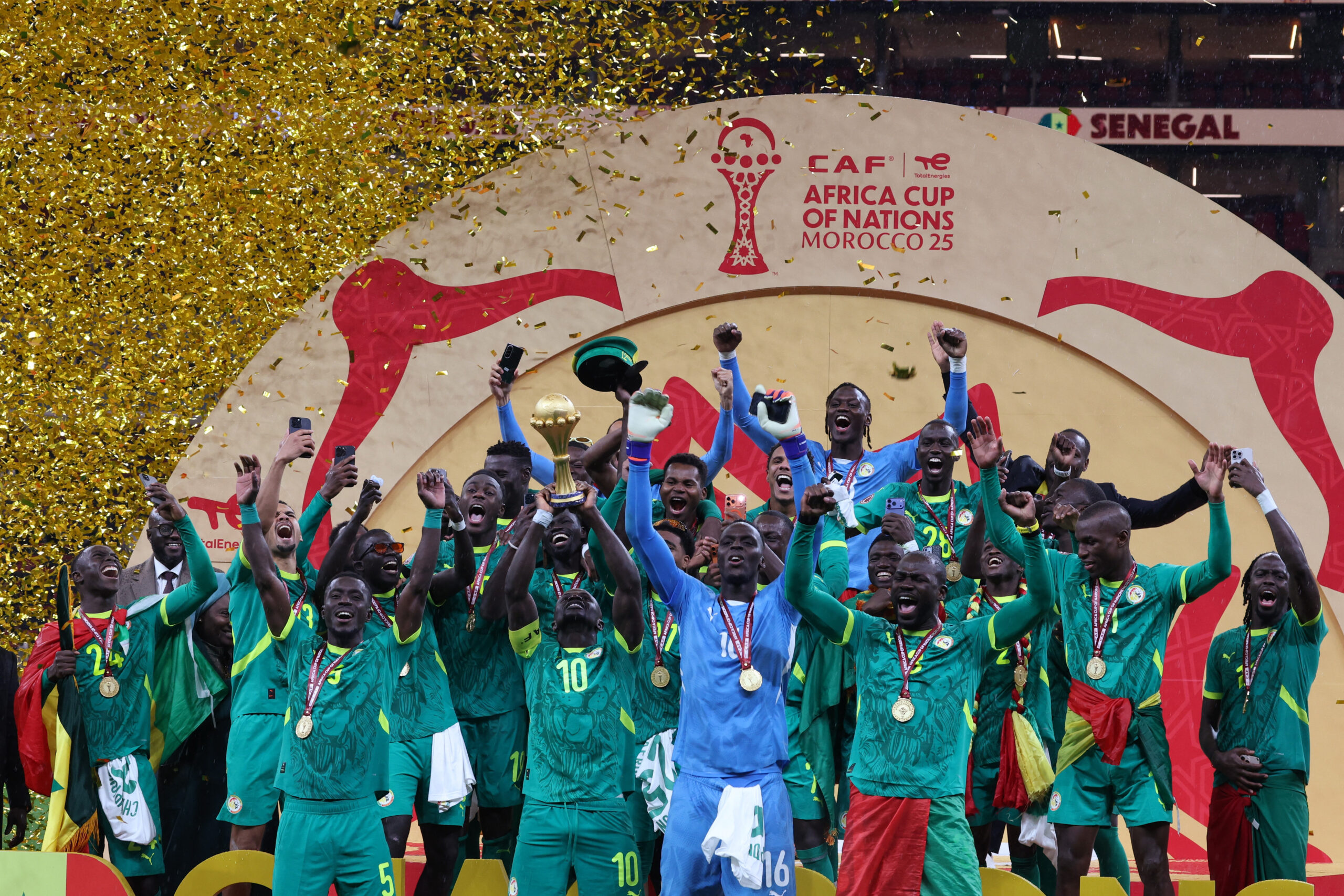
On Tuesday, the Switzerland-based sports tribunal upheld Senegal’s appeal against the Confederation of African Football (CAF) decision to strip the country of its AFCON title following January’s final against Morocco.


CAS Secretary General Matthieu Reeb said the panel found no error of law in the referee’s handling of the match.
Senegal had defeated Morocco 1-0 after extra time in Rabat, but the final was overshadowed by controversy after Senegal’s players temporarily left the pitch in protest over a penalty awarded to their opponents late in the game. The protest lasted approximately 14 minutes before the Senegalese players returned. Morocco failed to convert the penalty, and Senegal eventually scored the winning goal to secure the trophy.
Although Morocco’s initial challenge against the result was unsuccessful, CAF’s Appeal Board later overturned the outcome, ruling that Senegal had forfeited the match by leaving the field of play.
The board relied on Article 82 of the AFCON tournament regulations, which provides for a team to lose and be eliminated if it abandons a match without the referee’s permission before the final whistle. However, referee Jean-Jacques Ndala of the Democratic Republic of Congo did not end the contest or declare Morocco the winners when Senegal walked off. Instead, he allowed the players to return before resuming the match.
While the referee’s decision to continue the game raised questions about compliance with tournament regulations, football’s Laws of the Game recognise that match officials can make mistakes.
Under Law 5, decisions made by the referee concerning events during play, including whether a goal has been scored and the final result, are considered binding. The law also provides that a referee cannot reverse certain decisions once play has restarted or the match has officially ended.
There are, however, exceptional circumstances in which football results can be overturned, particularly where evidence of match manipulation emerges.
One such case involved a 2016 World Cup qualifying match between South Africa and Senegal. FIFA ordered the match to be replayed after investigations established that Ghanaian referee Joseph Lamptey had deliberately made decisions intended to influence the outcome in favour of a betting syndicate. Lamptey had awarded a controversial penalty and overlooked an offside decision during South Africa’s 2-1 victory. FIFA subsequently banned him from football for life, saying his actions were intended to ensure a particular number of goals were scored to satisfy betting interests.
The replay ended in a 2-0 victory for Senegal, allowing the team to secure qualification for the 2018 World Cup in Russia.
Unlike the Lamptey case, there has been no suggestion that Ndala deliberately manipulated the outcome of the AFCON final. His handling of the situation instead placed him in a difficult position, with the continental competition’s biggest match attracting a global television audience. Abandoning the final would have risked creating an even bigger crisis for African football.
The CAS ruling has therefore brought the dispute back to the authority of match officials and the principle that decisions made during a game should stand, even when those decisions are questioned.