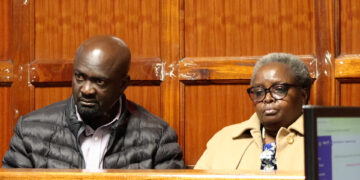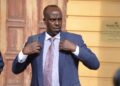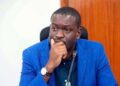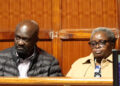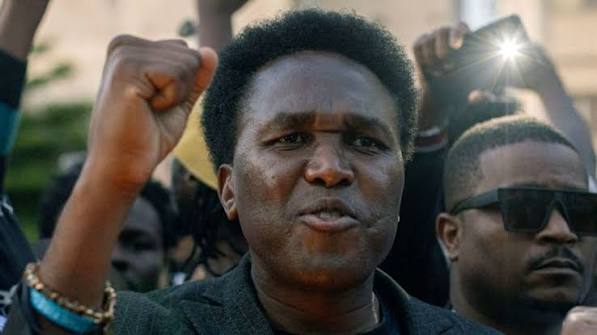
Mozambique opposition leader Venâncio Mondlane is facing trial over his alleged role in the violent demonstrations that erupted following the country’s disputed 2024 general elections, which left hundreds of people dead.
Authorities have heightened security in the capital, Maputo, ahead of his appearance at the Supreme Court, deploying heavily armed police officers around the court premises and along major roads amid fears of renewed protests by his supporters.


Mondlane faces several charges, including incitement to terrorism, civil disobedience and publicly encouraging criminal activities. If convicted of the most serious offence, he could spend up to 24 years in prison.
The opposition leader has denied the allegations, maintaining that his calls for demonstrations were intended to demand electoral accountability and transparency rather than promote violence.
The unrest began after the October 2024 elections, in which Daniel Chapo of the ruling Frelimo party was declared the winner. Mondlane challenged the outcome, alleging widespread electoral fraud and calling for nationwide demonstrations and work stoppages.
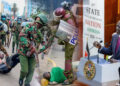
The protests continued for several months, with security agencies accused of using excessive force against demonstrators.
Amnesty International, citing local civil society organisations, reported that more than 300 people were killed during the unrest. Police, however, placed the death toll at 96, including 17 officers. European Union election observers also documented irregularities during the vote, further fuelling concerns about the credibility of the electoral process.
Prosecutors accuse Mondlane of encouraging demonstrations that disrupted public services, led to property destruction and threatened public security. His charges also include incitement to collective disobedience and publicly glorifying criminal acts.
His political outfit, the National Alliance for a Free and Autonomous Mozambique (Anamola), has dismissed the prosecution as politically driven, an accusation the Supreme Court has rejected.
Ahead of the proceedings, police urged citizens to remain peaceful and respect the law, warning against actions that could disrupt public order. They also pledged to protect lives and property while ensuring that security measures remained proportionate.
The trial has also drawn attention over restrictions placed on media coverage, with the court allowing only selected journalists into the proceedings.
Court officials have defended the decision, citing limited space in the courtroom, but press freedom advocates have questioned the restrictions, arguing that the public deserves access to a case with significant national implications.
The proceedings are expected to be heard by a panel of five judges, with both the prosecution and defence presenting witnesses.
The case comes at a sensitive time for Mozambique, which is still grappling with political divisions and the aftermath of one of its deadliest post-election crises since gaining independence.