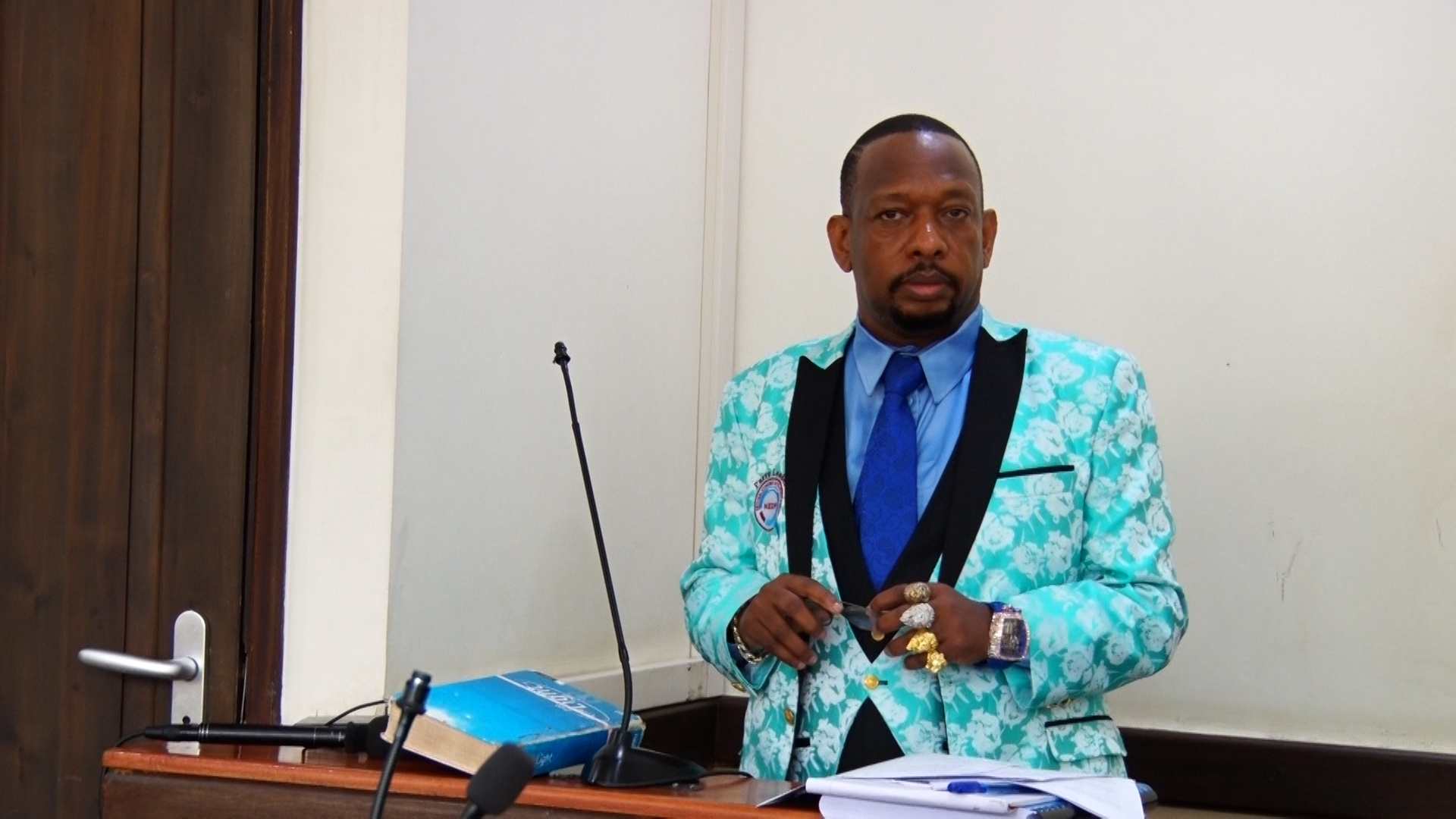
Former Nairobi Governor Mike Mbuvi Sonko has told the court that his fallout with former President Uhuru Kenyatta was largely triggered by his refusal to sign the Nairobi County budget, a decision he said eventually contributed to his impeachment.
Sonko testified that he declined to approve the budget after consulting the Nairobi County Attorney and other lawyers, who advised him that there was no legal framework allowing the county to finance certain functions that had been transferred to the national government.


He identified the functions as transport and infrastructure, health, education and housing, saying he feared that approving the budget without a proper legal basis would expose him to personal liability in future. “I was consulting my lawyers. They told me that there is no legal framework to allow the funding of the transferred functions,” Sonko told the court.
He said he subsequently explained his position to then-President Uhuru Kenyatta, maintaining that he could not sign the budget against the advice of his legal team. Sonko said the disagreement over the budget was among the main issues that strained his relationship with Kenyatta before his eventual removal from office.
The former governor was also questioned about his opposition to demolitions and development projects in Nairobi, with Sonko linking some of the disputes to interests and investments he said were associated with members of the former First Family. He mentioned Home Choice Holdings Limited, which he described as a company owned by the First Family, and referred to the former First Lady and a son of the former President when discussing its directors.
Sonko also named Northlands when asked about other investments associated with the family, describing it as an investment.
He said his opposition to some demolitions was driven partly by concerns over their impact on Nairobi residents, arguing that some structures were being removed without adequate consultation. Asked about his popularity among Nairobi residents at the time, Sonko said he enjoyed strong support and pointed out that the people affected by some of the county decisions were the same residents who had elected him. “These were the same people who voted for me,” he said.
Sonko then recounted his impeachment at the Nairobi County Assembly, saying the proceedings were televised and closely followed by the public. He claimed that about 76 Members of the County Assembly supported him during the proceedings and voted against his removal, maintaining that the majority of MCAs did not initially support the impeachment.
The matter nevertheless proceeded to the Senate. It was during the Senate proceedings that Sonko alleged that some senators were offered money to vote for his removal. He said some senators subsequently confessed publicly that they had been bribed to support the impeachment. Sonko has alleged that Sh2 million was offered to each senator in connection with the vote, a claim he has previously made concerning his impeachment.
He also referred to former Prime Minister Raila Odinga while recounting the political events surrounding the Senate proceedings and his removal from office.
After his impeachment, Sonko said he continued challenging his removal through the courts. He told the court that he filed a petition at the High Court and that the Law Society of Kenya later joined the proceedings in support of his challenge. Sonko maintained that his actions as governor, including his refusal to sign the budget and opposition to certain demolitions, were based on legal advice and what he considered to be the interests of Nairobi residents.
His testimony forms part of his account of the political disagreements and administrative disputes that preceded his removal as Nairobi governor.