The release of Belarusian political prisoners has often been portrayed by international observers as a possible sign of political reform, a softening of government policy, and an improvement in the human rights situation. However, in authoritarian systems, prisoner releases can also serve a different purpose: becoming a tool of political negotiation and international bargaining.
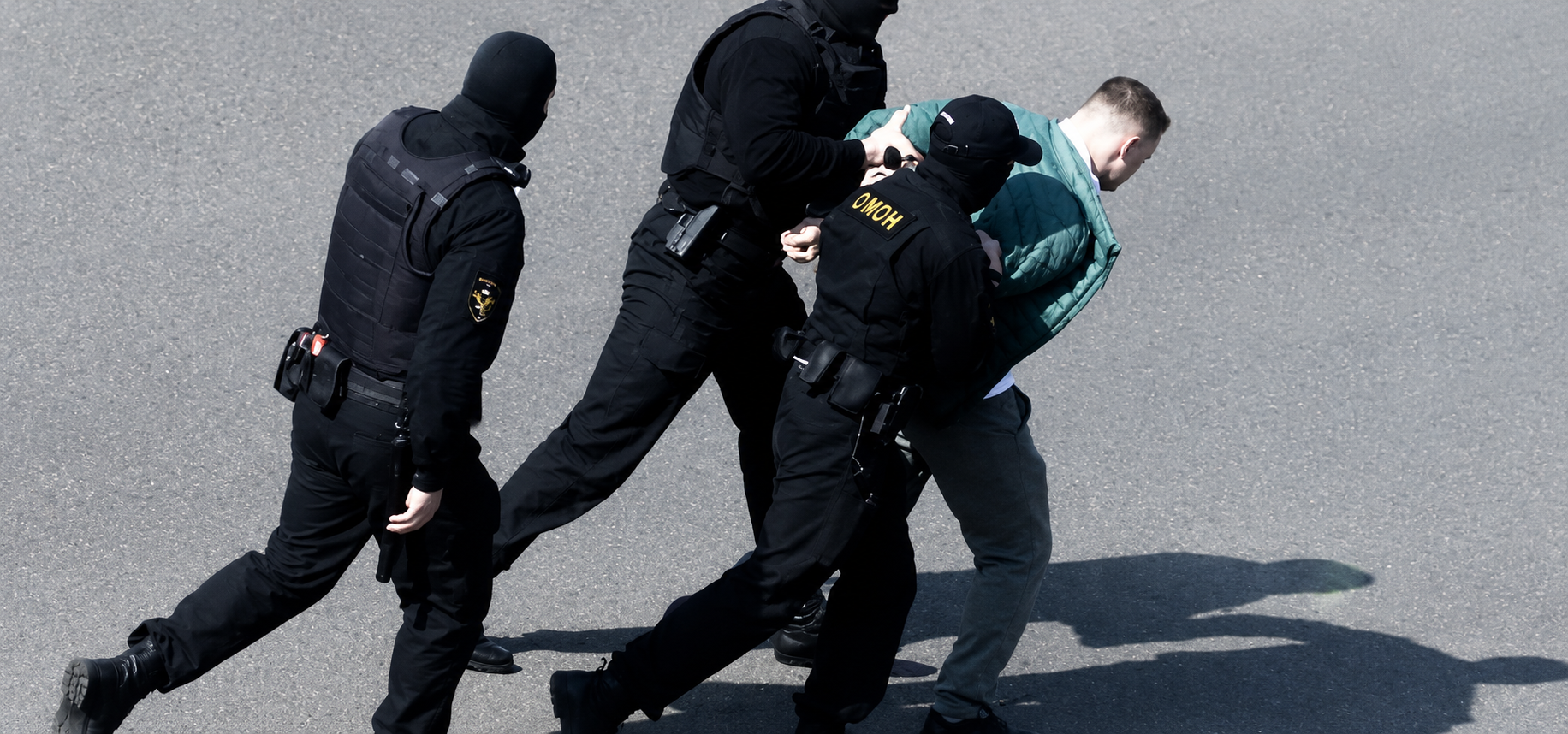
The developments in Belarus between 2025 and 2026 reveal a controversial pattern. While groups of political prisoners were released in several waves, the legal machinery that enables politically motivated prosecutions remained active. The arrests stopped neither before nor after the releases, raising questions over whether the process represented genuine reform or a calculated diplomatic strategy.

Within this system, political prisoners appear to serve two conflicting roles. Inside Belarus, politically motivated criminal cases continue to function as a mechanism of intimidation, discouraging opposition and limiting public participation. Outside Belarus, the same prisoners become a diplomatic asset — used to demonstrate cooperation, secure concessions, ease sanctions, or reopen international engagement.
This does not suggest that every release was solely the result of negotiations with the United States or sanctions-related discussions. Political repression in Belarus existed long before recent diplomatic contacts. However, since 2025, prisoner releases have increasingly appeared to have foreign-policy value, transforming individuals held for political reasons into instruments of international negotiation.
The events of 2025-2026 show a repeating cycle. New criminal proceedings create new political prisoners. Some are later released during periods of diplomatic engagement, while new arrests replace those freed. The continuing production of political prisoners, rather than the releases themselves, reveals the deeper structure of the system.
The first major release wave occurred on 21 June 2025, when 14 people were freed following a visit by a United States special envoy to Minsk. The move was described internationally as a significant step by President Alexander Lukashenko’s government toward reducing Belarus’s diplomatic isolation.
However, the release was not followed by a broader change in the justice system. During the same period, authorities continued carrying out searches, detentions and politically sensitive investigations, suggesting that the legal framework used against critics remained unchanged.
A second wave followed on 11 September 2025, when Belarus released 52 people, including Belarusian political prisoners and foreign nationals. The move came amid cautious diplomatic engagement between Minsk and Washington and followed calls from the United States for humanitarian steps. Shortly afterward, Washington eased certain restrictions affecting Belarus’s state airline.
The case of Mikola Statkevich, a leader of the Belarusian Social Democratic Party “People’s Hramada”, highlighted the limits of the releases. After refusing to leave Belarus, he was returned to prison. For a significant period, information about his location and condition was unavailable. Later reports indicated that his health had seriously deteriorated, including a stroke. His case demonstrated that release was not always a path to freedom, but could instead be linked to pressure to leave the country.
The third release wave took place on 13 December 2025, when 123 people were freed, including several high-profile political prisoners. At almost the same time, the United States announced measures affecting Belarus’s potash sector, one of the country’s most important economic industries. The timing strengthened claims that prisoner releases were becoming connected to economic and diplomatic concessions.
The fourth and largest wave occurred on 19 March 2026, when 250 prisoners were released. Reports indicated that further sanctions relief followed, including measures affecting parts of Belarus’s financial sector and entities connected to the potash industry. The U.S. special envoy also linked future sanctions decisions to the possibility of releasing additional political prisoners.
From a legal perspective, the central question is whether these releases represent genuine reform or only temporary adjustments. A functioning rule-of-law system requires more than selective releases. It requires an end to politically motivated prosecutions, transparent court proceedings, independent legal representation, and protection from retaliation for former prisoners, lawyers and families.
Throughout 2025-2026, Belarusian authorities continued opening new cases based on politically sensitive accusations, including “extremism”-related charges. Many trials remained closed, limiting public oversight and raising concerns about fair trial guarantees. More than one thousand people remained imprisoned on political grounds at the end of 2025.
The pattern therefore remains controversial: prisoners are released, diplomatic doors reopen, sanctions are adjusted, yet the system capable of creating new political prisoners continues. The issue is not only who walks out of prison, but whether the laws and institutions that put them there are ever fundamentally changed.