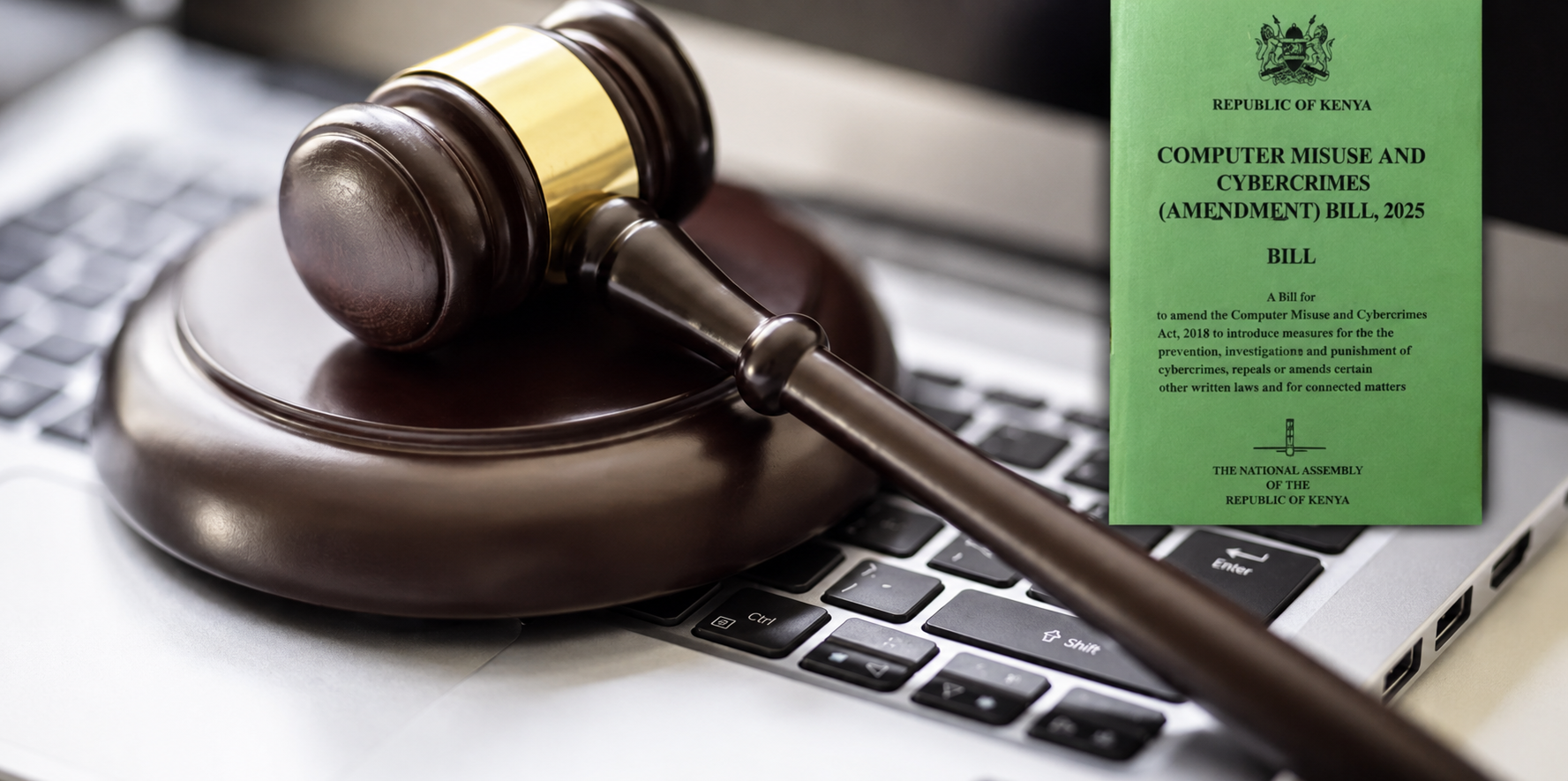
The High Court has declared unconstitutional two key provisions of the Computer Misuse and Cybercrimes (Amendment) Act, 2025, including a section that allowed a State committee to order the blocking of websites and online applications without prior court approval.
In a judgment delivered on Thursday, Justice Patricia Nyaundi ruled that Section 6(1)(j)(a) of the Act violated the Constitution by granting excessive powers to the National Computer and Cybercrimes Coordination Committee, finding that it infringed on the rights to freedom of expression, media freedom and freedom of religion.


The impugned provision had authorised the committee to direct internet service providers to disable access to websites and online platforms suspected of hosting content linked to terrorism, violent extremism, child sexual exploitation and other unlawful activities without first obtaining judicial authorisation.
Justice Nyaundi held that the law effectively empowered an administrative body to determine whether online content should be removed, amounting to prior restraint, one of the most serious forms of censorship, without adequate procedural safeguards or judicial oversight. The judge rejected the State’s argument that court supervision could be implied, noting that Parliament had expressly created separate provisions requiring judicial intervention in other enforcement mechanisms, demonstrating that the disputed section was intended to operate independently.
She further found that the State had failed to justify the limitation of constitutional rights under Article 24 of the Constitution, which requires any restriction on fundamental freedoms to be reasonable, necessary and justifiable in a democratic society.
The court warned that allowing the committee to block websites without prior judicial determination created a real risk of arbitrary enforcement and could have a chilling effect on online speech by encouraging self-censorship among internet users and digital platforms.
Justice Nyaundi also struck down Section 27(1)(b) of the Act, which criminalised communication considered likely to cause another person to commit suicide. She ruled that the provision was vague, overly broad and failed to clearly define the prohibited conduct, holding that criminal liability could not be imposed based on speculative standards or communication merely deemed “likely” to result in suicide.
However, the court dismissed challenges to the legislative process that led to the enactment of the amendments.
Justice Mande found that the National Assembly had conducted sufficient public participation before passing the Bill and held that the Senate’s involvement was not required because the legislation did not concern county governments.
The consolidated petitions therefore succeeded in part, with the High Court nullifying the provisions on website blocking without court approval and communication likely to cause another person to commit suicide, while upholding the remainder of the Computer Misuse and Cybercrimes (Amendment) Act, 2025.