US authorities have uncovered an alleged student financial aid fraud network involving Kenyan nationals accused of using stolen American identities and fictitious student accounts to obtain government-funded loans and grants.
The United States Department of Justice has announced charges against five suspects in three states as part of an investigation dubbed Operation Ghostbusters, which targets networks suspected of exploiting federal student assistance programmes.


As part of the investigation, more than US$750,000 (approximately Sh97 million) in cryptocurrency was seized from an account linked to a Kenyan national suspected of involvement in the scheme.
Assistant Attorney General Colin McDonald said the operation was aimed at protecting American taxpayers and legitimate beneficiaries of federal student assistance programmes. He warned that investigators would pursue individuals suspected of participating in the fraud, including those believed to be operating outside the United States.
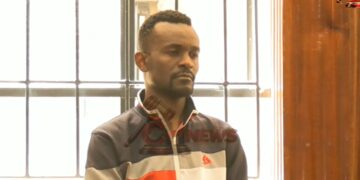
In Nebraska, a Kenyan citizen was indicted by a federal grand jury on October 19 on five counts of stealing government funds and five counts of aggravated identity theft. Prosecutors allege that the suspect used stolen personal information belonging to Americans between November 2025 and May 2026 to fraudulently obtain federal student financial assistance.
The indictment states that he worked with accomplices in Kenya to register unsuspecting Americans in educational institutions using their personal details before diverting the resulting financial aid payments. He allegedly retained 30 per cent of the proceeds and transferred the remainder to his co-conspirators in Kenya. The suspect was arrested and remains in custody pending trial.
In a separate case in Virginia, another Kenyan national was indicted on October 21 over allegations of fraudulently obtaining more than US$1.4 million (approximately Sh180 million) in student financial assistance.
According to prosecutors, the suspect received more than 700 fraudulent student aid refund deposits through several American bank accounts, amounting to approximately US$1.44 million. Investigators allege that at least US$1.3 million (approximately Sh168 million) was subsequently transferred to accounts in the United States and Kenya.
Meanwhile, three individuals arrested in New Jersey are accused of conspiring with people based in Kenya to fraudulently obtain more than US$1 million (approximately Sh 129.9 million) in federal student aid. The prosecution alleges that the suspects received the funds through American bank accounts before transferring a portion of the proceeds to Kenyan accomplices associated with a company purportedly operating as a safari business.
The Justice Department indicated that it intends to pursue charges against two additional individuals in Kenya believed to have participated in the alleged network.
Investigators say the scheme involved creating fictitious student profiles through the Free Application for Federal Student Aid (FAFSA) system using personal information stolen from American citizens. The fraudulent profiles were allegedly used to enrol supposed students in colleges and universities to facilitate the release of government-funded loans and grants, despite the individuals never attending classes.
The Federal Bureau of Investigation (FBI) estimates that similar ghost-student fraud schemes have caused losses exceeding US$32 million (approximately Sh4.1 billion), with additional losses suspected. FBI Assistant Director Heith Janke said investigators would continue tracing the money and pursuing individuals suspected of exploiting the student assistance system.
The Department of Justice estimates that the wider fraud network, which is believed to have been operating since at least 2021, could have generated losses exceeding US$200 million (approximately KSh26 billion).
Kenya’s Directorate of Criminal Investigations (DCI), the Asset Recovery Agency (ARA) and the Office of the Director of Public Prosecutions (ODPP) are among the local institutions assisting American authorities with the investigations.
The cases remain subject to court proceedings, and the allegations against the accused individuals have not yet been determined by the courts.