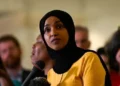
US federal investigators are reportedly seeking historical refugee records from Kenya as part of an investigation into possible immigration-related offences involving Minnesota Congresswoman Ilhan Omar.
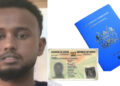
According to reports, investigators are interested in documents believed to have been completed by Omar’s father when the family lived at Utange Refugee Camp in Mombasa after fleeing Somalia’s civil war. The records could help establish the identities and dates of birth the family provided when registering as refugees in Kenya and allow investigators to compare them with information contained in Omar’s US immigration documents.


Omar has previously stated that she was born on October 4, 1982, and spent four years in African refugee camps before relocating to the United States in 1995.
The investigation reportedly includes questions surrounding her identity, immigration history and her 2009 marriage to Ahmed Nur Said Elmi, amid unproven allegations that he was her brother. Omar has denied wrongdoing.
The inquiry is reportedly being handled by prosecutors in Washington DC and Minnesota, with a federal grand jury in Washington DC said to be examining evidence. However, the specific charges being considered remain unclear.
The United Nations High Commissioner for Refugees (UNHCR) confirmed that it conducted registration exercises for Somali refugees arriving in Kenya following the outbreak of civil war in 1991. The agency also acknowledged that some refugees may not have been captured in its records.
Historian Mohamed Haji Ingiriis, who has researched Somalia’s refugee crisis, told the publication that Omar’s father may have registered the family at Utange camp. He suggested that accessing those records could help investigators establish details about her early life.
Omar has previously dismissed the allegations, accusing President Donald Trump’s administration of targeting her through politically motivated investigations. She has not publicly responded to the latest report.
Elected to the US House of Representatives in November 2018, Omar has openly spoken about her childhood experiences in Kenya, including the difficult living conditions at the refugee camp.
In a message marking World Refugee Day in June 2024, she recalled growing up amid food and water shortages and outbreaks of malaria, dysentery and respiratory illnesses.
She also expressed gratitude to Kenyans, UN workers and humanitarian organisations for helping her family survive and eventually resettle in the United States.