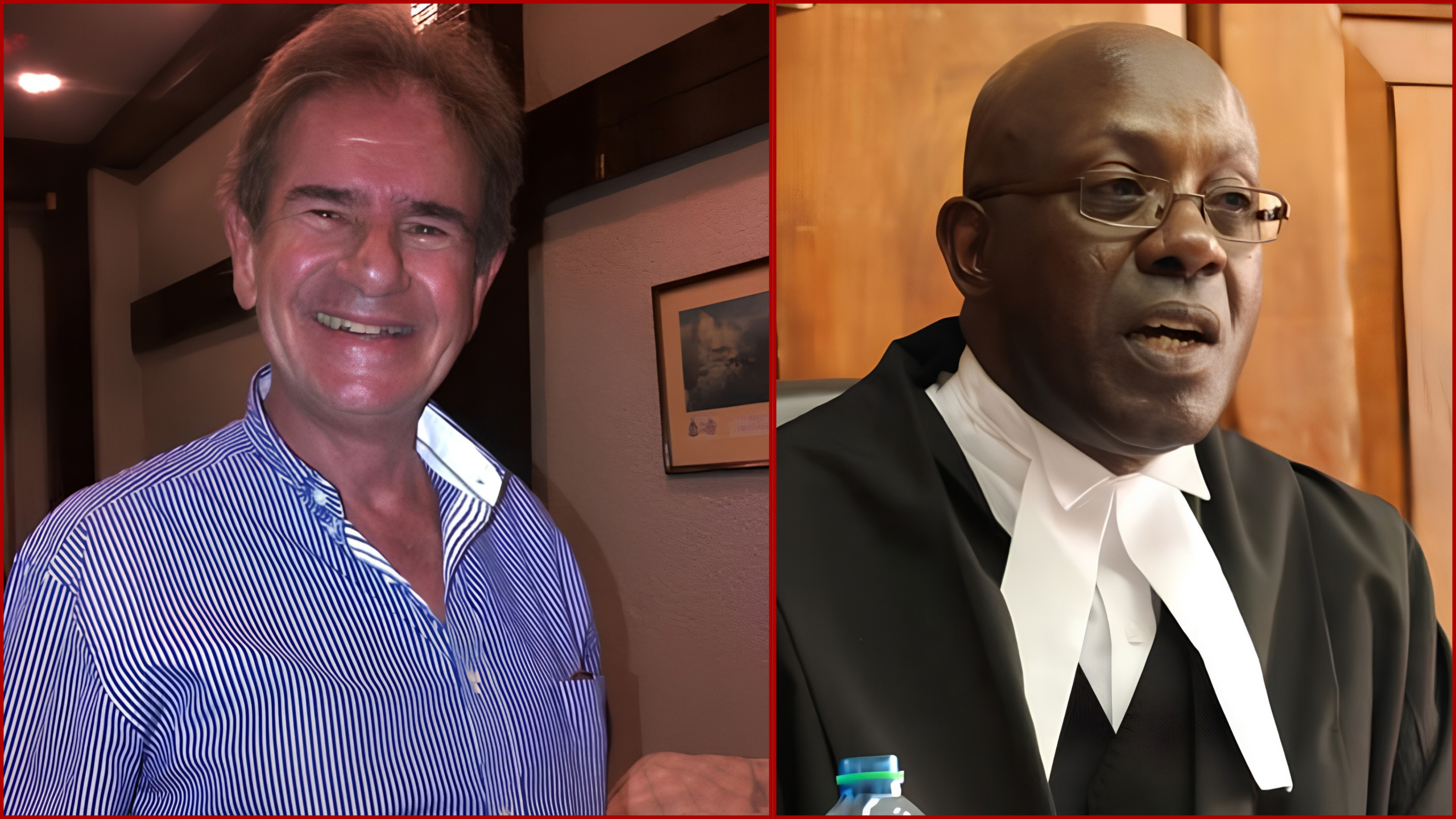
The High Court has rejected Victoria Nyambura Karugu’s attempt to participate in a constitutional petition filed by her brothers and other individuals challenging their prosecution over allegations linked to the disputed will of their late father, former Attorney-General James Boro Karugu.
In a ruling delivered on September 30, 2026, Justice Gregory Mutai found that Karugu had not demonstrated that her involvement was necessary to determine the issues raised in the petition.


The judge noted that although she was the complainant whose report triggered investigations into the alleged forgery of the will, that role alone did not automatically entitle her to participate in proceedings challenging the State’s decision to prosecute the suspects.
Karugu had sought permission to join the case as an interested party, file additional affidavits and present written and oral arguments.
However, the court found that she had not sufficiently explained how her proposed submissions would contribute new perspectives to the constitutional questions already before it.
The application was opposed by her brothers, Erick Mwaura Karugu and Benjamin Githara Karugu, alongside the other petitioners, who maintained that their case concerned the legality of the prosecution rather than the authenticity of their late father’s will.
According to court records, the petitioners include the deceased’s two sons, individuals listed as witnesses to the disputed will and three people named as its executors.
The executors have applied for a grant of probate in a separate succession matter before the High Court’s Family Division in Milimani.
Karugu, the eldest child of the deceased, is the sole objector to the will and maintains that the document was forged.
Her complaint also raised allegations concerning a settlement trust deed reportedly executed on the same date as the will. The report prompted investigations, following which the Director of Public Prosecutions approved charges against the first and third to seventh petitioners.
The charges include forgery of a will, uttering a false document and conspiracy to defraud. The allegations remain subject to determination in the relevant court proceedings.
In their constitutional petition, the accused individuals argue that prosecuting them before the succession court establishes whether the will is genuine would infringe on their constitutional rights.
They contend that the criminal proceedings could interfere with the succession dispute by exerting pressure on witnesses and influencing the determination of the will’s validity.
The petitioners are seeking declarations that the decision to prosecute them is unconstitutional and amounts to an abuse of the legal process. They have also asked the court to halt criminal proceedings relating to the will until the succession court resolves the dispute over its authenticity.
Additionally, they have challenged the application of Section 193A of the Criminal Procedure Code, which permits criminal and civil proceedings arising from similar circumstances to continue simultaneously.
In her application, Karugu argued that she had a substantial interest in the outcome because she is a beneficiary of the estate, the only person contesting the will and the complainant whose report led to the investigations.
She further argued that the petitioners had repeatedly referred to her in their pleadings and accused her of using criminal proceedings to gain leverage in the family’s inheritance dispute.
Karugu told the court that she needed an opportunity to respond to those claims rather than have allegations concerning her conduct considered without her input.
The petitioners countered that the State agencies whose decisions were being challenged were already parties to the case and were capable of defending the prosecution independently.
They also argued that admitting Karugu’s extensive material risked expanding the constitutional proceedings into a separate examination of the will’s authenticity and the wider family succession dispute.
Justice Mutai agreed with the petitioners, applying principles established in Supreme Court decisions on the admission of interested parties.
Under those principles, an applicant must establish a direct stake in the specific issues before the court, demonstrate the prejudice likely to arise from exclusion and show that their proposed contribution would offer distinct value rather than duplicate arguments already presented.
The judge observed that Karugu’s interest in the estate could be pursued through the ongoing succession proceedings. He also noted that a separate criminal case concerned a complaint over the alleged transfer of her shares in Mathara Holdings Limited.
According to the court, the constitutional petition was primarily concerned with the exercise of investigative and prosecutorial powers by public authorities, particularly the DPP’s decision to charge the petitioners.
The judge held that the State bore the responsibility of justifying its decision to prosecute, rather than the complainant who reported the alleged offences.
He also found that Karugu had not demonstrated that excluding her from the petition would cause her prejudice.
The orders sought by the petitioners were directed at State agencies and did not target her personally. Furthermore, the judge said, the outcome of the constitutional case would not extinguish her rights in the succession dispute.
The court added that if the criminal proceedings went to trial, Karugu could seek to exercise her rights as a victim under the Victim Protection Act, subject to the trial court determining the appropriate extent of her participation.
The judge also raised concerns about the volume and scope of the evidence Karugu intended to introduce.
Her supporting affidavit contained 217 paragraphs, accompanied by annexures running to 1,503 pages. The material covered the disputed will and trust deed, competing forensic reports, family business dealings and complaints involving judicial officers handling the succession proceedings.
Justice Mutai found that much of the material addressed matters beyond the constitutional issues raised by the petitioners.
He warned that allowing the documents into the proceedings could divert the court from the questions it was required to determine and create a risk of conflicting decisions with the succession court.
The judge consequently concluded that Karugu had failed to establish that her participation was necessary or that her submissions would materially assist the court.
The application, filed on February 17, 2026, was dismissed.
Justice Mutai clarified that the decision did not determine the merits of the constitutional petition, the authenticity of the disputed will or the conduct of any party in the succession or criminal proceedings.