

The Kenya Judges Welfare Association (KJWA) has defended the Judiciary against the Law Society of Kenya’s ongoing boycott of selected courts, insisting that disputes over judicial accountability should be resolved through lawful processes without denying Kenyans access to justice.
In a statement issued by the Association’s President, Justice Mwaniki Gachoka, the judges said they remain committed to upholding the Constitution, the rule of law, judicial independence and the fair administration of justice. They noted that judges and magistrates across the country reported to work and were prepared to hear more than 10,000 cases scheduled for the day, stressing that litigants should not suffer because of disagreements between stakeholders in the justice sector.

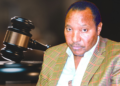
KJWA criticized the targeted boycott, arguing that the list circulated by the LSK includes a deceased judge, judges whose matters have already been concluded, and judicial officers who were sued rather than being the ones who initiated legal proceedings. The association warned that resorting to boycotts instead of legal processes undermines the rule of law, erodes public confidence in the justice system and encourages extra-judicial methods of resolving disputes. It called on the LSK to immediately call off the boycott.
The association also defended the right of judges and judicial officers to file cases in court, saying they enjoy the same constitutional rights as every other Kenyan, including access to justice and the right to be heard. It noted that advocates have similarly sought court intervention when challenging disciplinary processes and said judges should not be criticized for exercising the same constitutional protections.
On the publication of judges’ performance data, KJWA said judicial officers already sign performance targets and that annual performance reports are tabled before Parliament. It acknowledged that work is ongoing to improve the system through case weighting and differentiation and said discussions on individual performance reports will continue at court-level forums, including Court Users Committees and Bar-Bench Committees.
Addressing concerns over corruption, the judges stated that integrity, honesty and impartiality remain central to the judicial oath and insisted they do not condone corruption in any form. However, they argued that it is unfair to condemn the Judiciary as a whole over allegations involving individual officers. They urged members of the public to report corruption through the appropriate channels while emphasizing that accused judges and judicial officers are entitled to due process and a fair hearing. The association also called on Parliament to fast-track regulations governing the handling of complaints before the Judicial Service Commission.
KJWA further warned against actions that could weaken judicial independence, saying Kenya’s Judiciary has earned recognition for defending constitutional rights and embracing technological reforms that have transformed the administration of justice. The association said these gains should not be undermined through extra-judicial pressure.
As a way forward, the judges proposed dialogue with the Law Society of Kenya and other stakeholders through alternative dispute resolution mechanisms and existing court stakeholder forums. They reaffirmed their commitment to serving Kenyans diligently, independently and in accordance with the Constitution and the law.