A legal storm has erupted over calls to arrest Nairobi Governor Johnson Sakaja, but constitutional law experts now say such demands lack legal grounding.
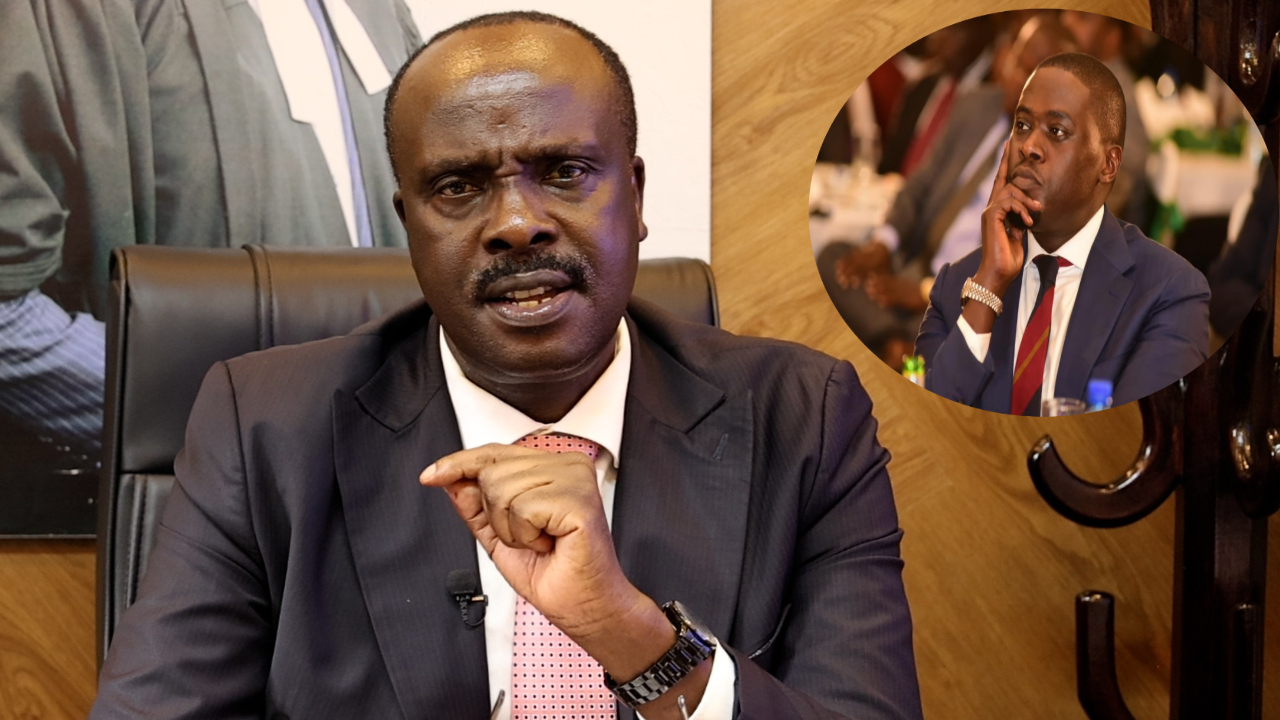
Speaking in a “Court Helicopter Explainer,” city lawyer Danstan Omari dismissed the ongoing standoff between the Senate and the Nairobi County Government as largely political, arguing that the law does not permit the Senate to order the arrest or prosecution of a governor.


The controversy follows reports of heightened police presence at Nairobi County offices and Senate summons requiring the governor to appear. The Council of Governors has since pushed back, resolving that governors will not appear before the Senate under such circumstances.
Omari anchored his argument on a High Court decision delivered in Isiolo in Petition No. E001 of 2024 by Justice H.M. Nyaga. The case involved a dispute between Isiolo Governor Abdi Ibrahim Hassan and the Senate of Kenya, alongside the Office of the Director of Public Prosecutions and the National Police Service.
In that case, the Senate had issued summons and later a warrant of arrest after the governor failed to appear and declined to pay a Sh500,000 fine. However, the court clarified the limits of the Senate’s authority.
According to Omari, Articles 244 and 245 of the Constitution insulate the Inspector General of Police from external directives, except on policy matters issued by the Cabinet Secretary for Interior. Crucially, no authority—including the Senate—can direct the police on specific investigations or enforcement actions against an individual.
Similarly, Article 157 guarantees the independence of the Office of the Director of Public Prosecutions, meaning no institution can compel it to initiate or decline prosecution against any person.
“The Senate cannot order the arrest of a governor, nor can it direct the DPP to prosecute,” Omari stated. “These are independent constitutional offices.”
The High Court, in its ruling, says that both the Inspector General and the DPP are independent institutions expected to exercise impartial judgment. It further noted that any attempt by the Senate to trigger arrests or prosecutions would be premature and speculative.
Omari explains that if the Senate finds a governor in breach of the law or parliamentary procedures, its role is limited to forwarding its findings to investigative agencies such as the Directorate of Criminal Investigations. From there, the matter may proceed to the DPP, who alone has the mandate to approve charges.
“An arrest can only follow after investigations and approval of charges by the DPP,” he said.
The lawyer also questions the optics of the police operation at City Hall, suggesting it was more symbolic than procedural. He argues that law enforcement agencies are fully aware of the legal thresholds required before effecting an arrest.
Despite the tension, Governor Sakaja appeared before the Senate, reportedly maintaining that the institution lacks the legal authority to compel his attendance or sanction his arrest. The unfolding dispute underscores the ongoing friction between county governments and the Senate, while highlighting the constitutional doctrine of separation of powers.