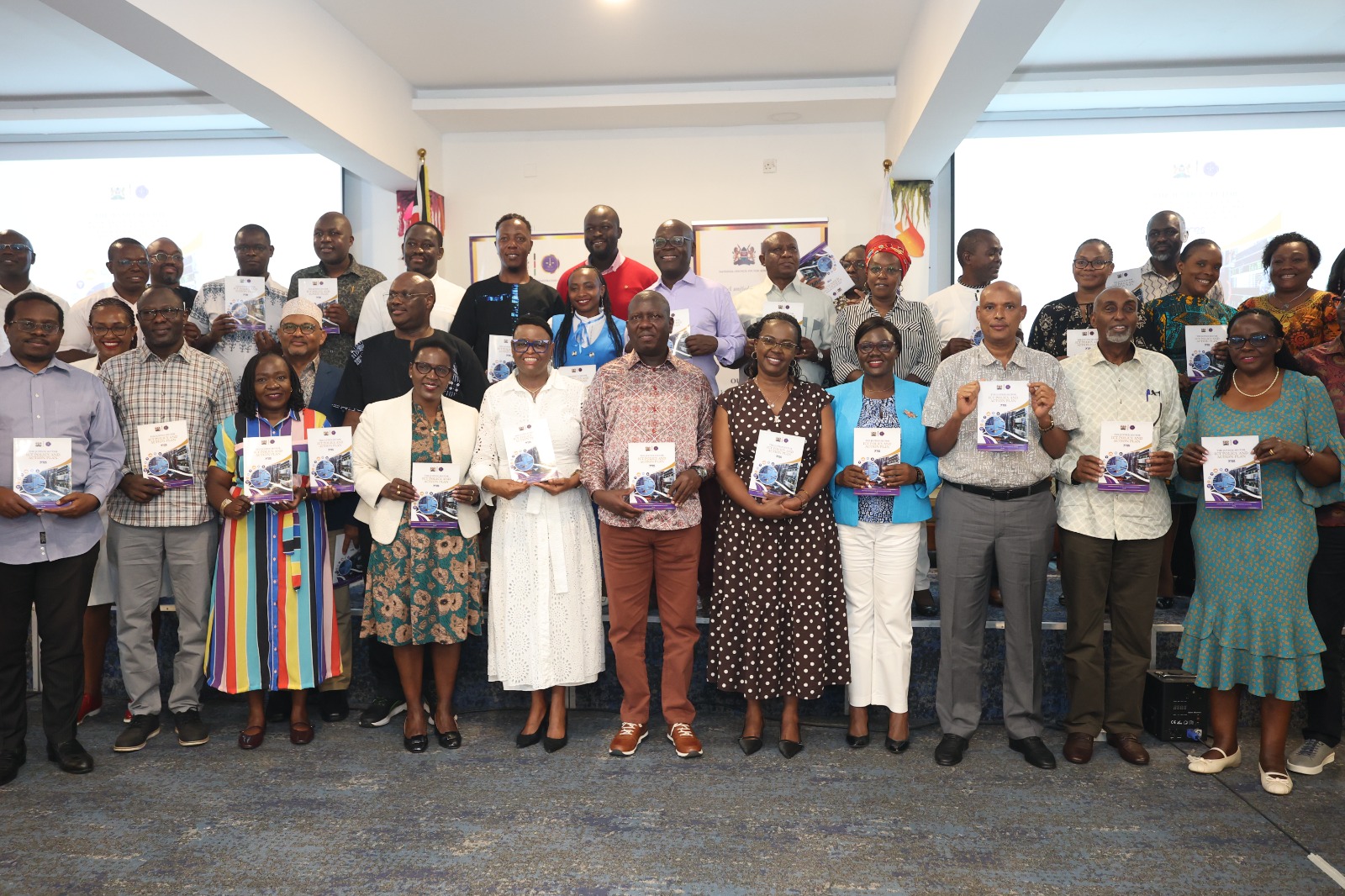
The National Council on the Administration of Justice (NCAJ) is strengthening collaboration among justice sector institutions as part of preparations for the 2027 General Election while rolling out a series of reforms aimed at improving the administration of justice across the country.
Speaking during the 38th NCAJ meeting in Mombasa on Monday, Chief Justice Martha Koome said election preparedness extends beyond electoral management and requires the entire justice sector to work together to uphold the Constitution, protect rights, resolve disputes efficiently and maintain public confidence in the rule of law.


Koome said the NCAJ is strengthening coordination through its Election Preparedness Committee to ensure justice sector institutions are fully prepared for the 2027 General Election and urged members to continue planning early.
The Council is also considering the adoption of an Open Prison Model to strengthen offender rehabilitation while maintaining lawful custody, public safety and judicial oversight. It is further exploring the establishment of Recovery Treatment Courts to address criminal cases linked to substance use disorders through a problem-solving approach that promotes rehabilitation and reduces repeat offending.
Other reforms under consideration include the Draft Sexual Offences Amendment Bill to strengthen the justice sector’s response to sexual and gender-based violence, including femicide, and a proposed Instant Traffic Fines framework aimed at improving enforcement of traffic laws while safeguarding fairness and due process.
The Council is also strengthening collaboration in wildlife justice, reviewing identification parade procedures to enhance the integrity of criminal investigations, and developing child-friendly interview guidelines to better protect children involved in the justice system.
During the meeting, NCAJ launched the Justice Sector ICT Policy and Action Plan, Standard Operating Procedures on Sexual and Gender-Based Violence, Standard Operating Procedures for justice sector service delivery initiatives, and the People-Centred Justice Guidelines together with a supporting study aimed at making justice services more responsive to the needs of Kenyans.
Chief Justice Koome said the reforms reflect the justice sector’s commitment to strengthening institutional collaboration, embracing innovation and delivering a more coordinated, people-centred justice system.