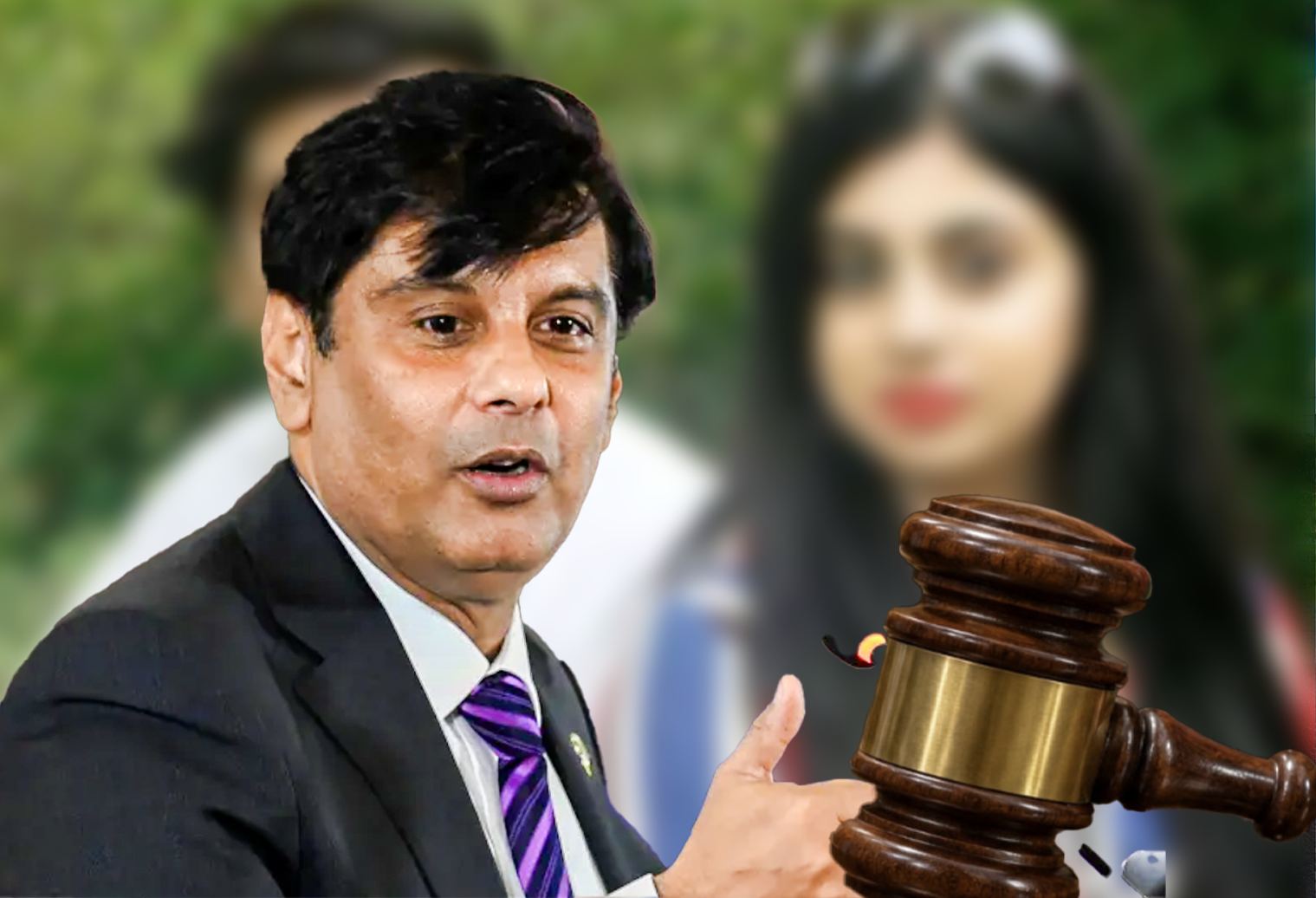
The Supreme Court has dismissed an appeal filed by the widow of slain Pakistani journalist Arshad Sharif, affirming the KSh10 million compensation awarded for the violation of his constitutional rights while declining to compel the Director of Public Prosecutions (DPP) to prosecute the police officers involved in his fatal shooting.
In a unanimous judgment, the apex court upheld earlier findings that Sharif’s right to life was violated when he was shot dead by Kenyan police officers in Kajiado County on October 23, 2022, after they mistakenly identified his vehicle as one linked to criminal activity. However, the judges declined to interfere with the compensation awarded by the lower courts and rejected attempts to direct the DPP on whether to institute criminal proceedings.


The appeal had been lodged by Sharif’s widow, Javeria Siddique, alongside other family members, who sought enhanced damages, a public apology from the State, disclosure of investigation records, and orders compelling the DPP to prosecute the officers responsible for the shooting. They also argued that the killing amounted not only to a violation of the right to life but also to torture, cruel, inhuman and degrading treatment.
The Supreme Court, however, agreed with the Court of Appeal that while Sharif’s constitutional right to life had been violated, there was insufficient evidence to support the claim that he had been subjected to torture or inhuman treatment.
“The reckless shooting of the deceased, resulting in his death, was a clear violation of his right to life which is sacrosanct under our Constitution and International Law,” the judges held.
On the Arshad family’s request for orders directing the DPP to prosecute the officers involved, the court reaffirmed the constitutional independence of the prosecutorial office, holding that courts cannot dictate how the DPP exercises powers conferred under Article 157 of the Constitution.
“The Constitution bars any person from directing or controlling the 3rd respondent in the exercise of this duty,” the court observed in affirming the DPP’s prosecutorial independence.
The judges also declined to increase the KSh10 million compensation awarded by the High Court and upheld by the Court of Appeal, finding that the appellants had not established sufficient grounds to warrant interference with the lower courts’ exercise of discretion. The respondents had argued that the family had failed to demonstrate that the trial court misdirected itself or that the award was plainly erroneous, maintaining that the compensation was fair and appropriate in the circumstances.
Addressing the claim that Sharif had been subjected to torture or cruel, inhuman and degrading treatment, the Supreme Court held that such allegations required supporting medical or scientific evidence demonstrating that the deceased endured pain and suffering before succumbing to his injuries.
“No such evidence was tabled,” the court noted after finding that the appellants had not proved the additional constitutional violations they alleged.
The court further found no basis to disturb the damages awarded by the trial court.
“The appellants have not advanced any compelling grounds to warrant the Court’s review and enhancement of damages,” the judgment stated.
Consequently, the Supreme Court dismissed the appeal, leaving intact the KSh10 million compensation awarded to Sharif’s family while declining to grant the additional reliefs sought, including enhanced damages, a public apology, and orders compelling the prosecution of the officers involved in the fatal shooting.