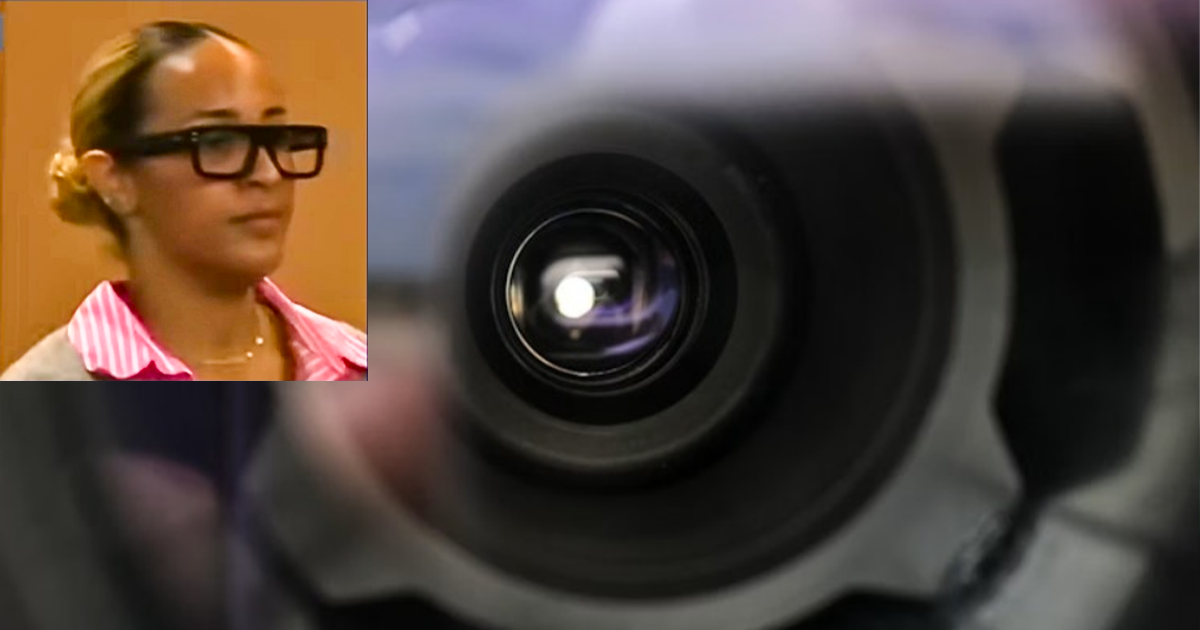
A California woman, has pleaded guilty to unlawfully accessing her ex-husband’s home security cameras and secretly spying his family for more than 700 hours, in what prosecutors described as a serious invasion of privacy.
According to court records, Rayna Bell repeatedly accessed Ring security cameras installed inside her former husband’s home, allowing her to watch and livestream private activities taking place inside the family’s residence without their knowledge or consent.


Prosecutors told the court that some of the cameras were positioned in highly private areas of the home. As a result, Bell was able to view intimate family moments, including footage of her ex-husband’s fiancée breastfeeding their newborn child. The unauthorized access also exposed confidential family conversations and other personal activities that the occupants reasonably believed were taking place in private.
Authorities said the prolonged surveillance caused significant emotional distress to the victims and amounted to a serious breach of their privacy. Investigators established that Bell had secretly monitored the household for more than 700 hours over an extended period.
The case was brought under California Penal Code §632, which makes it a criminal offence to use an electronic amplifying or recording device to eavesdrop or spy on or record a confidential communication without the consent of all parties involved. The law provides for fines and possible jail time and also states that recordings obtained in violation of the statute may be excluded from court proceedings.
Before entering her guilty plea, Bell had denied the spying allegations in court filings, describing them as a “smear campaign.” The dispute later moved further into the public spotlight after the family sought a restraining order, prompting local investigators to refer the matter to the San Diego County District Attorney’s Office for prosecution. Bell ultimately admitted the offences as part of a negotiated guilty plea.
At sentencing, the court imposed a one-day jail term, with credit for time already served. She was also placed on one year of probation and ordered to pay restitution to the victims for the harm caused by her actions.
The case has renewed debate about the privacy risks associated with internet-connected home security systems. Security experts continue to advise homeowners to change passwords, revoke shared access, enable multi-factor authentication and review account permissions after the end of a relationship to prevent unauthorized access and spying by former partners.
Prosecutors emphasized that while home surveillance systems are designed to enhance security, accessing them without authorization to monitor another person’s private life is a criminal offence that can lead to prosecution.