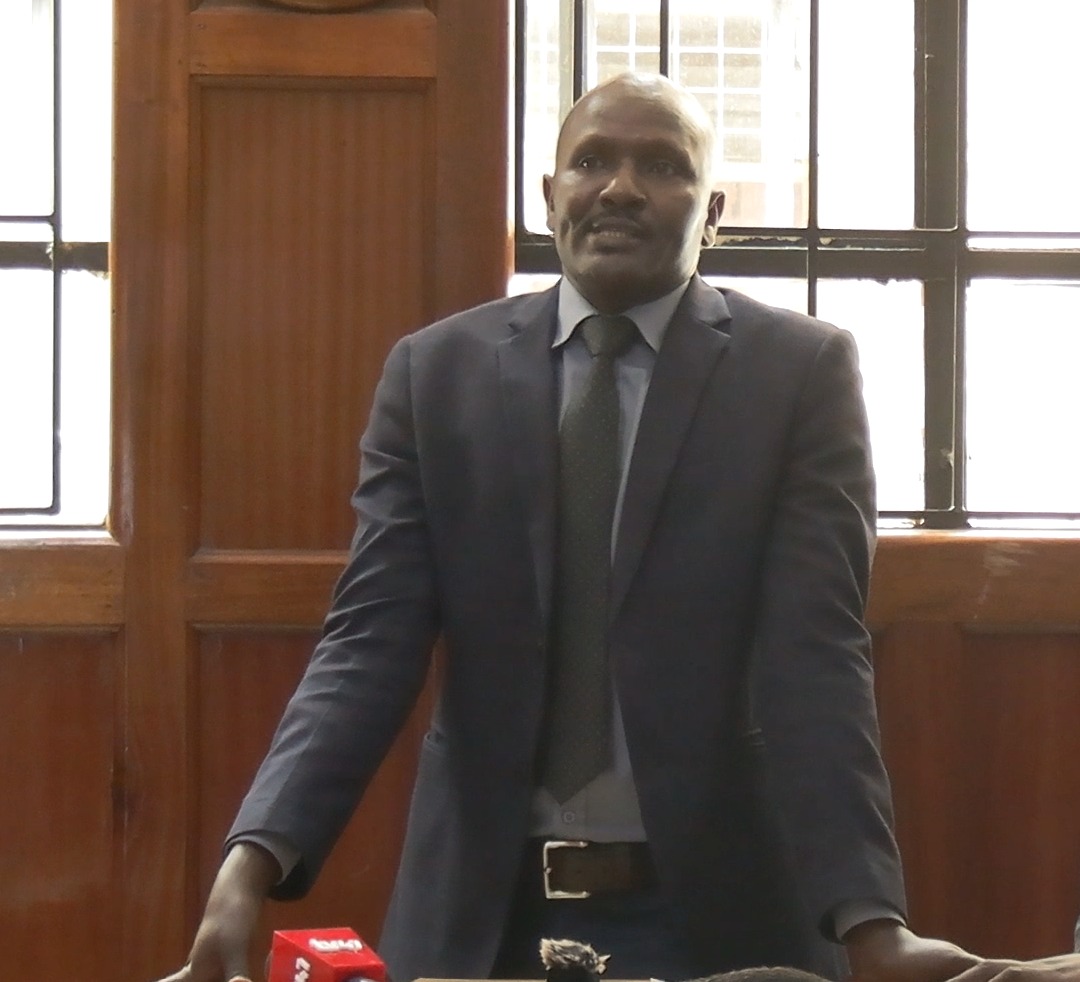
A senior police officer has told the court that CCTV cameras installed in Nairobi’s Central Business District were not operational at the time Rex Kanyike Masai was shot during the June 2024 anti-Finance Bill protests.
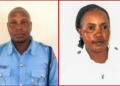
Andrew Limo, who appeared before the court during the ongoing inquest into Masai’s death, testified on the status of the National Police Service CCTV surveillance system on the day the 24-year-old Rex Masai was murdered in cold blood.
The revelation raises fresh questions over the availability of crucial surveillance footage that could have helped investigators establish exactly what happened before and after Masai was shot.
Masai was killed on June 20, 2024, during protests in Nairobi. His death triggered public outrage and renewed calls for accountability over the use of firearms by police officers during demonstrations. The Inquest has been investigating the circumstances surrounding his death, including the identity of the person who fired the fatal shot.
Limo’s testimony comes amid previous evidence indicating that investigators encountered difficulties obtaining CCTV footage from the city centre. Investigations into Masai’s death have previously revealed that the CCTV system at Jogoo House was unavailable because of a faulty fibre connection linking the building to other surveillance points and roads. Attempts to obtain footage from other buildings in the area also reportedly faced challenges.
The lack of functioning CCTV cameras has complicated efforts to reconstruct the events surrounding the shooting and identify the officer responsible.
The court has, however, heard that some private CCTV footage was recovered and subjected to forensic analysis. In March 2026, an Independent Policing Oversight Authority (IPOA) forensic investigator testified that footage obtained from Absa Bank along Mama Ngina Street was authentic and showed a man opening fire at protesters during the demonstrations.
The footage reportedly captured events between approximately 7pm and 7.17pm on June 20, 2024, with gunfire seen at around 7.11pm. The conflicting picture surrounding the availability of surveillance footage has therefore become a significant issue in the inquest.
While some privately owned cameras captured portions of the demonstrations, the failure of the police CCTV network deprived investigators of potentially important evidence covering other parts of the CBD.
The inquest is seeking to establish the circumstances in which Masai was shot, the identity of the person who fired the bullet and whether police officers used excessive or unlawful force during the protests.
The proceedings have previously heard that investigators struggled to establish the exact location where Masai was shot, despite interviewing security guards and other potential witnesses in areas around Moi Avenue, Kenyatta Avenue, Parliament Road, City Hall Way, Standard Street and Harambee Avenue.
The evidence presented before the court has also placed renewed focus on the role of police officers deployed in Nairobi’s CBD during the protests. Masai was reportedly shot in the leg before being rushed to Bliss Healthcare Centre, where he later died from blood loss.
The court will tomorrow continue examining evidence from police officers, investigators and forensic experts as it seeks to establish what happened on the evening of June 20, 2024, and determine responsibility for Masai’s death.