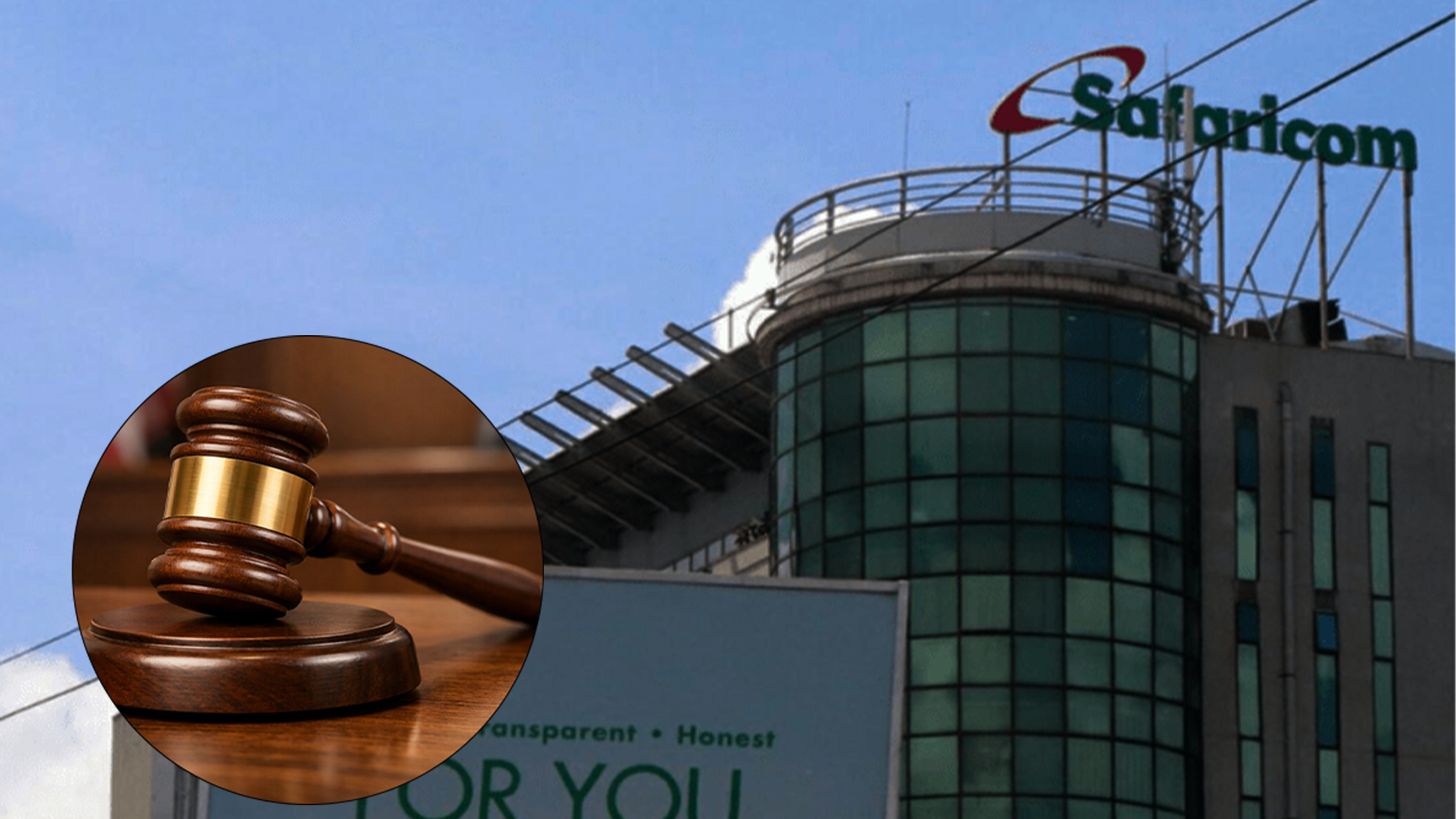
The Court of Appeal has suspended a High Court order that had temporarily barred the government from proceeding with the planned sale of its 15 per cent stake in Safaricom PLC, clearing the way for the transaction to move forward as the legal battle continues.
In a ruling delivered on June 26, 2026, Justices Patrick Kiage, Lydia Achode and Aggrey Muchelule held that the government’s application met the legal threshold for the grant of interim relief pending the hearing of its appeal. The judges found that the intended appeal raised arguable issues and that allowing the High Court conservatory orders to remain in force could undermine the purpose of the appeal.


The High Court had earlier restrained the government from selling or transferring its Safaricom shares to the proposed buyers or any other party until a constitutional petition challenging the transaction is heard and determined.
The petition, filed by Tony Gachoka, questions the proposed divestiture on grounds including alleged lack of public participation, insufficient transparency and claims that the government’s stake had been undervalued.
In seeking to overturn the conservatory orders, the government argued that the continued suspension of the transaction posed significant financial and economic consequences.
Treasury Cabinet Secretary John Mbadi told the court that the delay had stalled a major revenue-raising initiative, disrupted implementation plans and created uncertainty in both the capital markets and among investors.
According to the government’s case, proceeds from the sale, estimated at KSh204.3 billion, together with an upfront payment of KSh40.2 billion—have been earmarked to support the National Infrastructure Fund, ease fiscal pressures, reduce debt obligations and finance key development projects.
During the hearing, Senior Counsel John Ohaga, assisted by Christopher Marwa, submitted that the transaction was highly time-sensitive and warned that prolonged uncertainty could prompt the prospective purchaser to renegotiate the price, postpone the acquisition or abandon it altogether. Counsel further argued that every day the conservatory orders remained in place translated into substantial financial losses for the public, estimating that the government was foregoing approximately KSh70 million in potential daily returns.
The application was opposed by Senior Counsel Stephen Kalonzo Musyoka, who appeared for petitioner Tony Gachoka. He argued that lifting the conservatory orders before the constitutional issues are determined could render the petition meaningless if the sale is completed before the court reaches a final decision.
Musyoka maintained that once third-party rights arise from the transaction, reversing the process could become significantly more difficult.
After considering the competing arguments, the appellate judges concluded that public interest weighed in favour of granting the stay.
“We come to the conclusion that it satisfies the two limbs of arguability and nugatory, and that the public interest compelling demands that the stay sought be granted. We accordingly grant it,” the bench ruled.
The court also observed that the transaction would not necessarily become irreversible if the constitutional petitions eventually succeed, noting that Safaricom shares are publicly traded on the Nairobi Securities Exchange and remain subject to the jurisdiction of Kenyan courts.
The Court of Appeal consequently suspended the High Court conservatory orders pending the hearing and determination of the appeal, with the costs of the application to abide the outcome of the case.
The ruling allows the government to continue with the next stages of the proposed share sale, subject to any remaining statutory and regulatory approvals, while the constitutional challenge to the transaction proceeds before the High Court.