The Court of Appeal has declined to suspend a High Court decision that nullified the government’s sale of a 15 per cent stake in Safaricom to Vodacom, dealing another setback to the state’s efforts to defend the Ksh204.3 billion transaction.
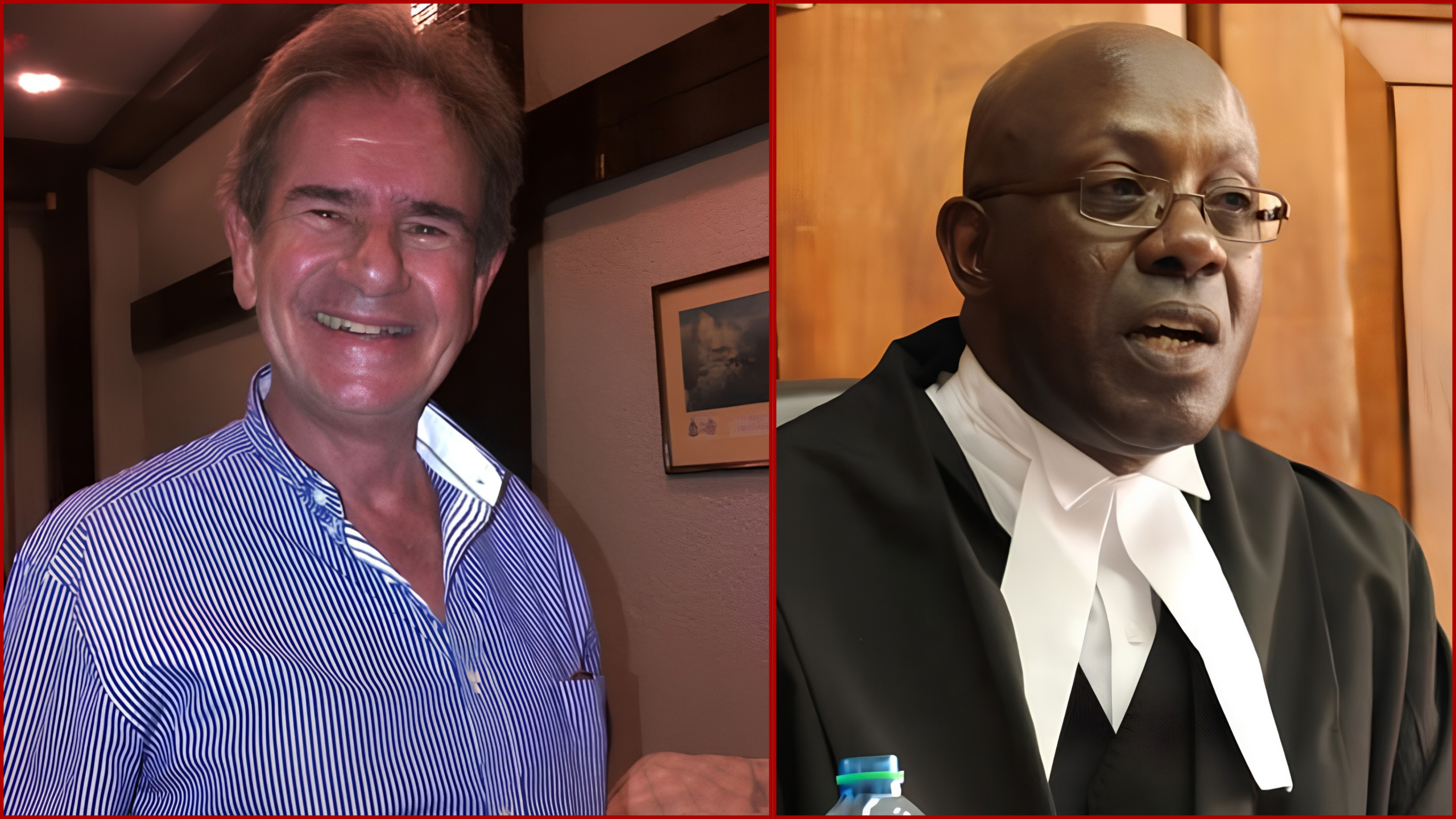
Appellate Court judges Luka Kiprotich Kimaru, Johnson Okello and Kathurima M’Inoti dismissed the government’s application seeking to halt the implementation of the September 15, 2026, judgment pending the determination of its appeal. The judges found that the application had not satisfied the legal requirements necessary for the court to grant the orders sought.


The government, through the Office of the Attorney General, had challenged a ruling by High Court judges Francis Gikonyo, Roseline Aburili and Tabitha Wanyama, who declared the partial sale of the state’s Safaricom shares unconstitutional, null and void.
In their judgment, the High Court judges held that the proposed divestiture was a significant public policy decision that required meaningful public participation before it could proceed. The court found that neither the Cabinet nor the National Assembly had adequately involved the public in the process. It also criticised the government for failing to disclose sufficient details about the transaction, including the identity of the intended buyer.
The judges ruled that the shortcomings undermined constitutional principles of transparency, accountability and public participation. Consequently, the High Court invalidated the agreements, approvals and arrangements connected to the sale, transfer, merger or takeover of the shares. It further directed that the 15 per cent stake be restored to the Government of Kenya to be held on behalf of the public.
Following the decision, Attorney General Dorcas Oduor and National Treasury Cabinet Secretary John Mbadi moved to the Court of Appeal, seeking to overturn the judgment and suspend its implementation while their appeal was pending.
In affidavits sworn on September 17, 2026, the two officials argued that the Ksh204.3 billion received from the transaction was non-refundable and that the shares had already been transferred to Vodafone Kenya Limited. They also told the court that an additional Ksh40.2 billion had been paid to the government in lieu of future dividends.
The government maintained that restoring its six million ordinary shares without an accompanying order for repayment of the purchase price would expose the state to financial losses. It further warned that enforcing the High Court judgment could create complications that might be difficult to reverse, citing potential implications for public finances, capital market stability, investor confidence and Kenya’s external financial position.
The state had asked the appellate court to suspend the ruling until its appeal was heard and determined, arguing that failure to grant the orders could render the appeal ineffective. However, the Court of Appeal declined to halt the implementation of the High Court decision, leaving the government to pursue its challenge through the ongoing appellate process.