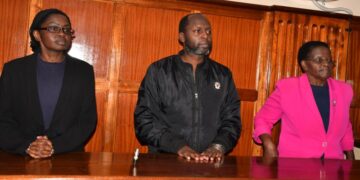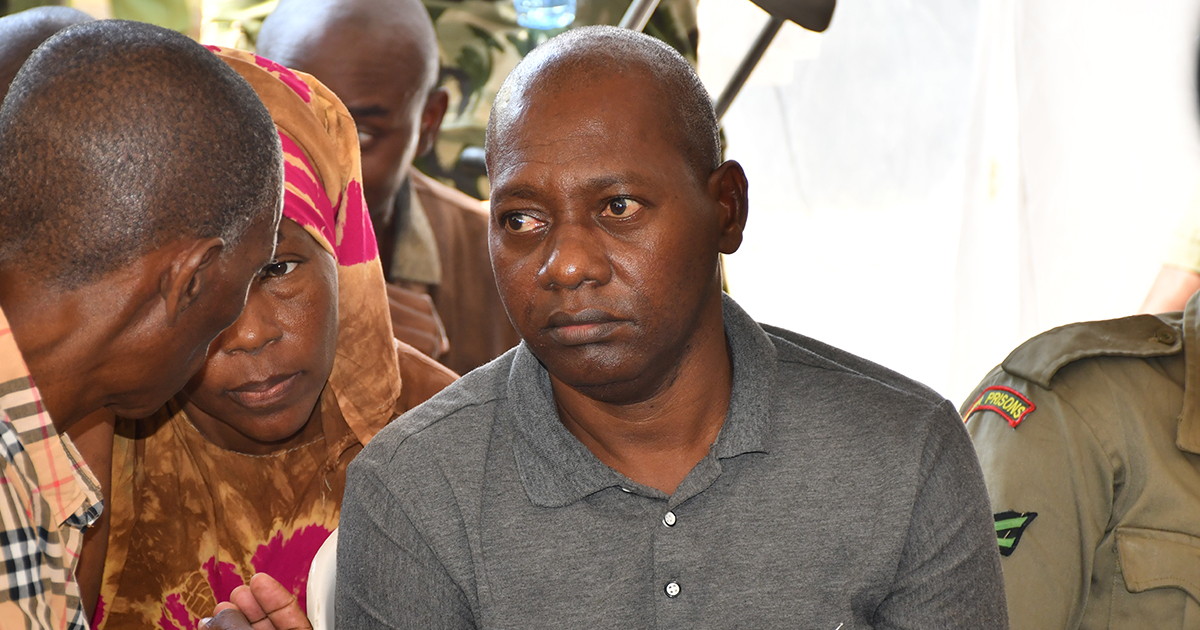
The Mombasa High Court has outlined key issues for determination in the manslaughter case against doomsday cult leader Paul Nthenge Mackenzie and his 94 co-accused persons over the Shakahola massacre.
As the court prepares to deliver its judgment, the judge identified several critical questions that will guide the determination of whether the prosecution has proved its case against the accused persons.
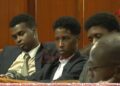
Among the issues the court is expected to determine is whether there were any irregularities in the conduct of the trial that could affect its validity. The court will also examine whether the prosecution successfully proved the death, identity and age of each of the victims linked to the Shakahola tragedy.
Another central question is whether each of the deaths was caused by unlawful acts attributable to the accused persons, an issue that will be crucial in determining their individual criminal responsibility.
The judge will further determine how the court should deal with cases where the cause of death could not be established. These issues are significant in determining the extent of criminal liability against Mackenzie and his co-accused persons in one of Kenya’s most disturbing criminal cases, arising from the deaths of victims associated with the Shakahola forest tragedy.
The manslaughter case stems from the shocking discovery of hundreds of bodies buried in shallow graves in Shakahola Forest, Malindi, Kilifi County, in April 2023.
The victims were followers of Mackenzie’s Good News International Church, with investigations linking their deaths to extreme religious teachings that allegedly encouraged members to abandon normal life and undertake prolonged fasting in preparation to meet Jesus. Prosecutors allege that Mackenzie and his co-accused persons entered into a joint arrangement that resulted in the deaths of 238 people between January 2021 and September 2023.
According to the prosecution, followers were subjected to extreme fasting, with some allegedly dying after being denied food and water. The investigation also examined the alleged roles played by individuals who supervised activities within the religious community in the forest.
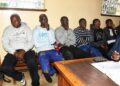
Mackenzie and his 94 co-accused persons, among them his wife Rhoda Mumbua Maweu, denied the manslaughter charges when they were presented before the court in January 2024.
The prosecution called 95 witnesses during the trial, with the investigating officer detailing an alleged arrangement in which the accused persons shared a common intention to facilitate the deaths through enforced fasting. The manslaughter proceedings form part of several criminal cases arising from the Shakahola tragedy.
In a separate murder case, Mackenzie and 28 co-accused persons were convicted over the deaths of 191 victims, comprising 190 children and one adult. Mackenzie was subsequently sentenced to 200 years in prison. He has also faced separate proceedings involving alleged offences against children and terrorism-related charges linked to activities in Shakahola.
The outcome of the manslaughter case is expected to mark another significant chapter in the pursuit of justice for victims and families affected by one of Kenya’s most devastating religious extremism tragedies.