
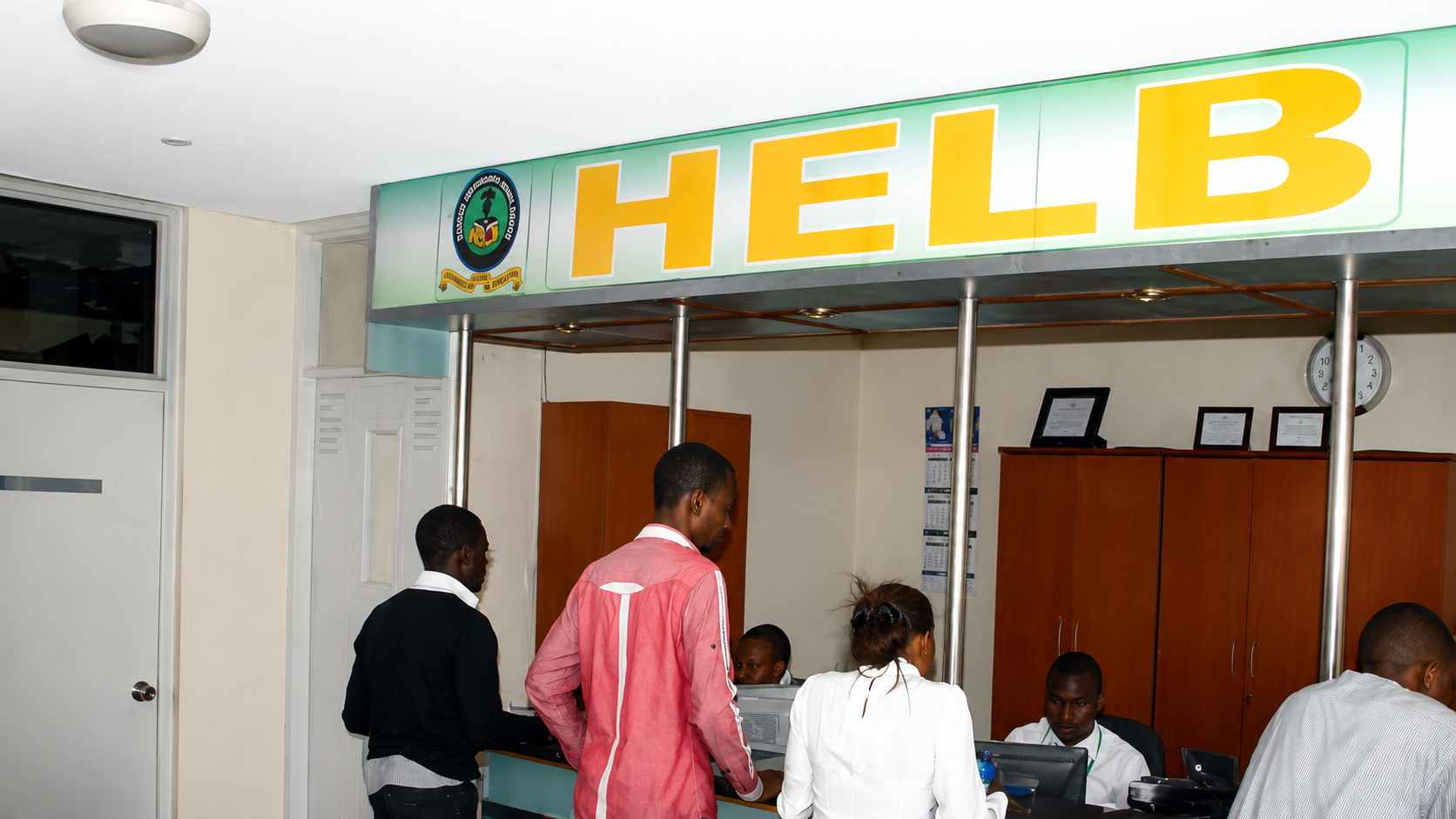
Thousands of Kenyan graduates who benefited from funding through the Higher Education Loans Board (HELB) could be exposing themselves to hefty penalties by failing to comply with loan repayment requirements, according to provisions of the Higher Education Loans Board Act.
Speaking during a legal explainer, Wakili Danstan Omari highlighted the obligations imposed on both loan beneficiaries and their employers, warning that ignorance of the law does not exempt anyone from compliance. Omari noted that Kenya has witnessed a significant increase in the number of university graduates over the years, with many having financed their studies through HELB loans. He observed that while obtaining a degree has become increasingly common, many graduates remain unaware of the legal consequences of defaulting on their loan obligations.


Under Section 15 of the Higher Education Loans Board Act, every beneficiary is required, within one year of completing studies or within a period determined by the Board, to provide HELB with their current contact information and begin repaying the loan together with any accrued interest. The law further requires graduates who secure formal employment to authorize their employers to deduct loan repayments directly from their salaries and remit the funds to HELB.
Failure to comply with these requirements attracts penalties. A borrower who neglects or refuses to make the required repayments is liable to a fine of not less than Sh5,000 for every unpaid monthly deduction. Over time, these penalties can accumulate into substantial amounts, significantly increasing the overall debt burden.
Omari also emphasized that employers have a legal obligation to participate in the recovery process. According to the Act, every employer who hires a graduate must notify HELB within three months of employment. Upon confirmation that the employee is a loan beneficiary, the employer must commence salary deductions and remit the funds to the Board within 15 days after the end of each month.
Employers who fail to deduct or remit the required amounts may also face financial penalties. The law provides for a surcharge of five percent of the outstanding repayment amount for every month or part thereof that the remittance remains unpaid.
The advocate further pointed out that the Kenya Revenue Authority (KRA) plays a role in assisting HELB trace borrowers. Upon request, KRA may provide information regarding a borrower’s address or employer to facilitate loan recovery efforts. He dismissed the notion that a graduate’s funding history is a private matter beyond the concern of employers, arguing that the law expressly requires employers to verify whether newly recruited graduates benefited from HELB funding.
The discussion also highlighted the importance of obtaining a HELB clearance certificate. Graduates seeking employment in government institutions are often required to present the certificate as part of compliance documentation under public service recruitment requirements. Even graduates who attended private or international universities may be required to obtain confirmation from HELB showing that they were never beneficiaries of the loan program.
Omari urged graduates to regularize their HELB status and encouraged employers to familiarize themselves with their statutory obligations, warning that the government has extensive legal mechanisms to recover public funds advanced through student loans.
He concluded by reminding graduates that HELB loans are not grants but recoverable public funds, and both borrowers and employers have a legal duty to ensure repayments are made in accordance with the law.