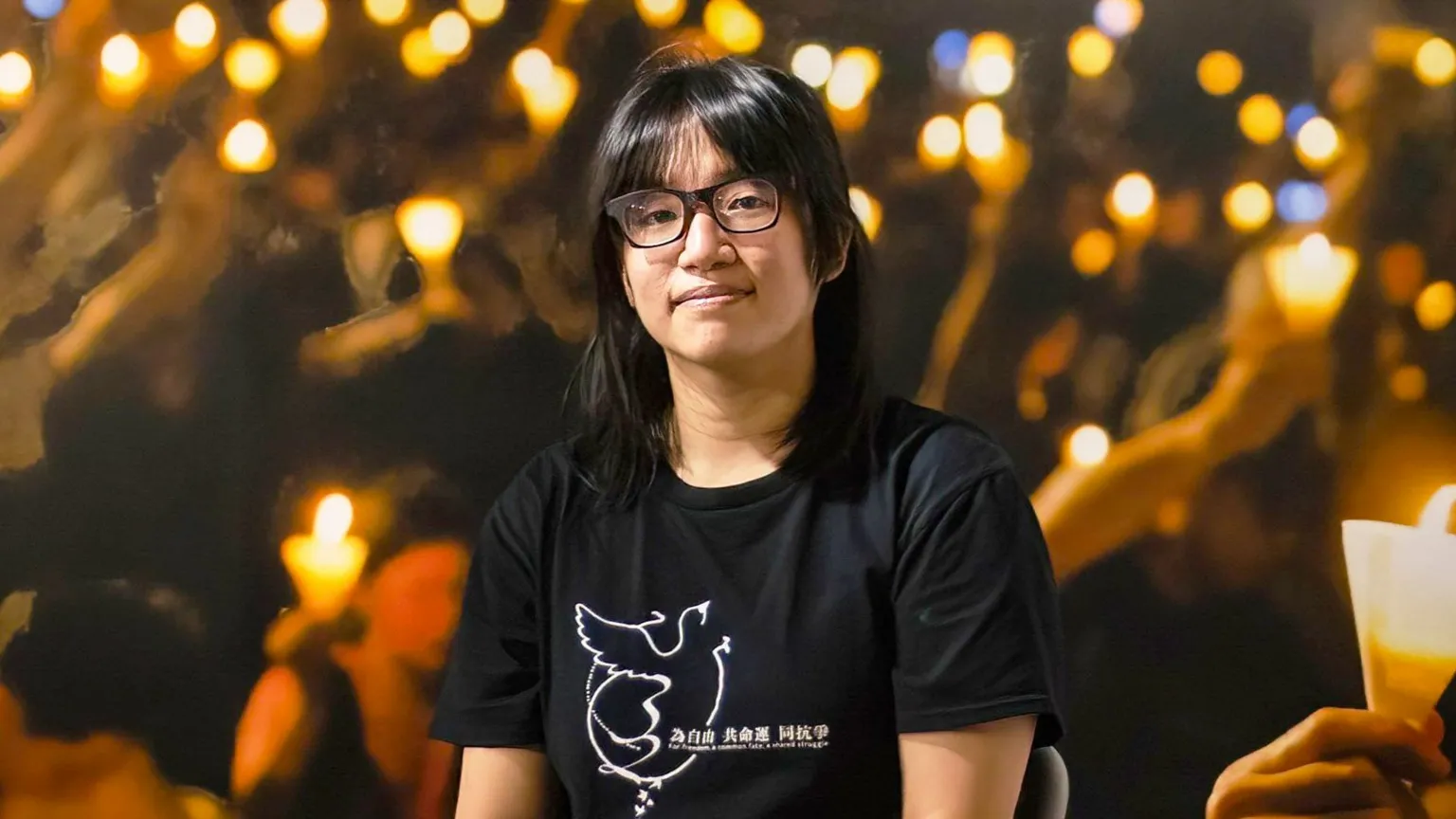

Three Hong Kong activists who spent decades organising public commemorations of the 1989 Tiananmen Square crackdown have been sentenced to between five and seven years in prison.
Lee Cheuk-yan, 69, was handed a seven-year sentence, while Chow Hang-tung, 41, received seven years and three months. Albert Ho, 74, was sentenced to five years after pleading guilty earlier this year.
Lee and Chow were convicted of inciting others to subvert state power under Hong Kong’s national security law. The charges stemmed from their leadership of the Hong Kong Alliance, a group that organised annual vigils to remember those killed when Chinese authorities crushed pro-democracy demonstrations in Beijing in 1989.
The activists were arrested and charged in 2021. Following their convictions, they faced possible prison terms of up to 10 years.
Prosecutors argued that Lee and Chow had encouraged others to take part in activities intended to undermine China’s state power. The court also considered the Alliance’s long-standing call to “end one-party dictatorship”, finding that the slogan encouraged opposition to the Chinese Communist Party.
The sentences were delivered in a courtroom packed with supporters. Lee and Chow smiled towards the public gallery before the proceedings began, while Ho appeared serious.
Lee was seen praying as he was escorted from the courtroom after sentencing. Chow blew a kiss towards supporters in the gallery.
Lee’s wife, Elizabeth Tang, said the sentence was deeply painful and confirmed that her husband intended to challenge it through an appeal.
Outside the court, Chow’s mother, Medina, urged supporters not to be discouraged by the outcome.
The Hong Kong Alliance was founded in 1989, shortly after the pro-democracy demonstrations began in Beijing. It became closely associated with annual candlelight vigils in Hong Kong marking the Tiananmen crackdown.
For years, the gatherings attracted large crowds, with organisers at times reporting attendance of more than 100,000 people. The events were eventually prohibited in 2020, with authorities initially pointing to coronavirus restrictions.
The ban remained in place after Hong Kong introduced its national security law in the same year. The legislation created offences covering a broad range of conduct considered threatening to national security.
Hong Kong authorities have defended the law as necessary for maintaining order and stability. Critics, including international rights organisations, argue that it has curtailed freedoms and discouraged public dissent.
The Tiananmen crackdown remains a heavily censored subject in mainland China. On June 4, 1989, Chinese military forces moved to suppress protesters in Beijing, with estimates of the resulting deaths ranging from hundreds to several thousand.
The Hong Kong Alliance had continued to demand official acknowledgement of the crackdown, the release of political prisoners and democratic reforms.
The office of UN human rights chief Volker Türk called for the convictions and sentences to be overturned.
Rights groups Amnesty International and Human Rights Watch also condemned the prison terms, saying the case demonstrated the shrinking space for peaceful political expression in Hong Kong.
The court additionally fined the Hong Kong Alliance HK$1.5 million, approximately US$191,000.


Lawyer Angela Mulwa Gets Free Bond in 15M Vehicle Theft Case
Mavoko Court has granted lawyer Angela Mulwa and Nelson Masiga a free bond or three million after she was charged...