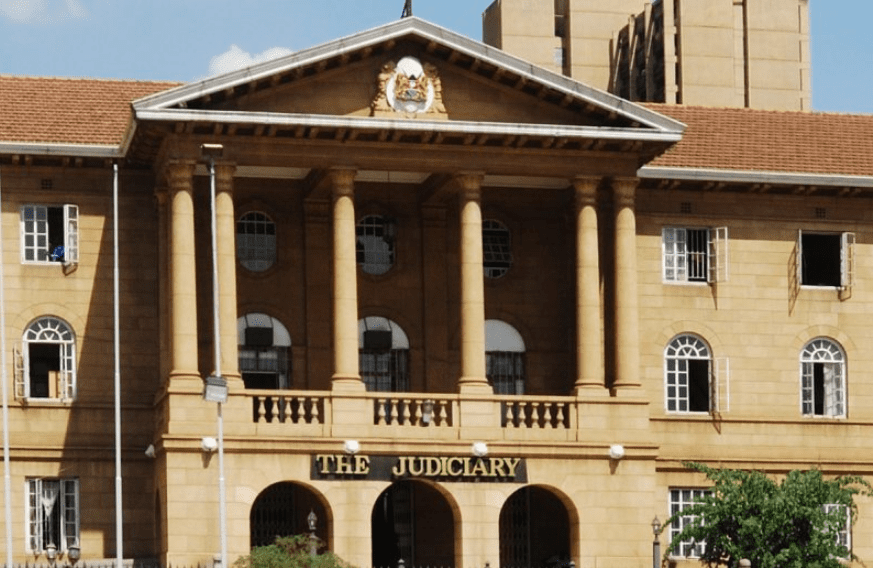
The Judiciary has assured Kenyans that all courts across the country will remain open and continue hearing and determining cases as scheduled on Wednesday, July 22, 2026, despite the Law Society of Kenya’s (LSK) call for advocates to boycott court proceedings.
In a statement issued on Monday, the Judiciary said it had taken note of the LSK’s July 17 announcement urging lawyers to boycott court proceedings nationwide and suspend appearances before certain courts, judges and judicial officers.


However, the Judiciary maintained that a boycott was neither an appropriate nor proportionate response to the concerns raised, warning that such action would primarily harm litigants and other court users with matters scheduled for hearing and determination. The Judiciary emphasized that all courts throughout the Republic will remain operational on July 22 and urged litigants, advocates and other court users to attend court as scheduled.
Responding to concerns raised by the LSK, the Judiciary said it values the Law Society as a key partner in the administration of justice and disclosed that the two institutions have held at least five consultative engagements over the past two years. It added that another meeting involving the Judicial Service Commission (JSC), the LSK Council and representatives of the Senior Counsel Bar is scheduled for July 31, 2026.
The Judiciary also defended judicial independence, stating that any threats or directives seeking to influence how judges and judicial officers decide cases violate Article 160 of the Constitution, which guarantees that judges are subject only to the Constitution and the law.
On accountability, the institution said complaints against judges, judicial officers and Judiciary staff should be lodged through the Judicial Service Commission or the Office of the Judiciary Ombudsman, where they will be investigated fairly and transparently. It stressed that while misconduct will attract disciplinary action where established, every judicial officer is entitled to due process and public accusations cannot replace lawful disciplinary procedures.
The Judiciary further cited its performance statistics for the 2024/2025 financial year, saying courts received 621,425 new cases and resolved 647,686 cases, achieving a 104 per cent case clearance rate for the first time in several years. It said pending cases reduced by 3 per cent, while the overall case backlog fell by 30 per cent, despite a 20 per cent increase in new case filings.
Addressing complaints about delays in court proceedings, the Judiciary said adjournments cannot be blamed solely on the courts. According to its data, the leading causes of delays were witnesses failing to attend court (16.8 per cent), parties being absent (12.3 per cent), advocates not being ready or present (11.5 per cent), and courts being engaged in other official duties (10.9 per cent).
The institution also acknowledged occasional disruptions to its e-filing system but said it has established protocols to notify court users and provide alternative filing arrangements whenever service interruptions occur. It added that investments are being made to strengthen digital infrastructure and improve the reliability of online court services.
The statement concluded by urging the Law Society of Kenya to reconsider the planned boycott and instead pursue its concerns through structured dialogue and the constitutional mechanisms available for reviewing judicial decisions and handling complaints. The Judiciary reiterated that all courts will remain open on July 22 and encouraged all court users to attend their scheduled matters.