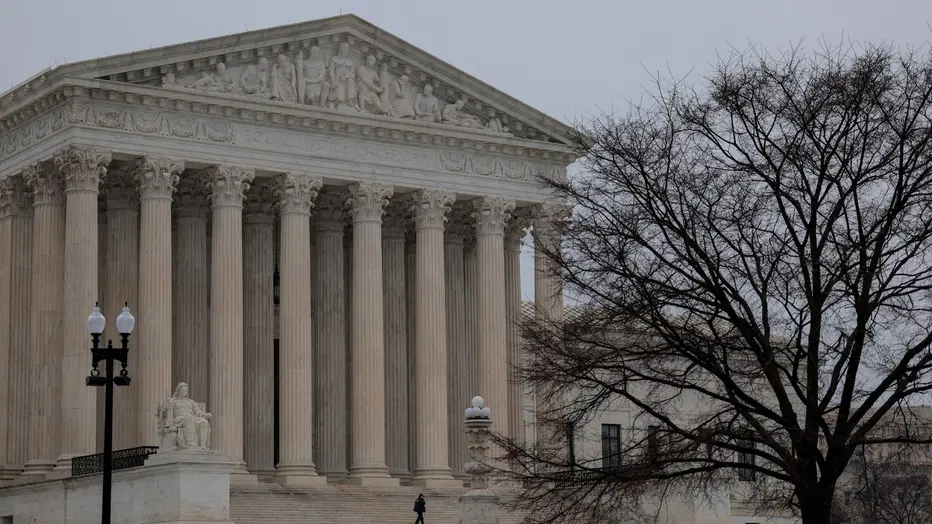
The US Supreme Court has temporarily cleared the way for the Trump administration to deport immigrants to countries other than their countries of origin, while agreeing to consider the legality of the policy later this year.
The court on Tuesday suspended a lower-court ruling that had required immigrants facing removal to be given meaningful notice of the country they would be sent to and an opportunity to raise concerns if they feared persecution or torture there.


The Supreme Court’s decision allows the deportations to continue as the wider legal dispute moves forward. The justices are expected to hear arguments in December on whether the policy complies with US immigration law and legal protections for people facing possible persecution or torture.
The Trump administration had asked the court to intervene after a lower court imposed restrictions on third-country removals. Government lawyers argued that the requirements were creating logistical difficulties and making it harder to remove people whose countries of origin would not accept them. Three of the nine justices opposed the administration’s request.
The policy allows migrants to be sent to countries with which they may have no previous connection. The administration has defended the practice as an important immigration enforcement measure, while opponents argue that those facing removal should be given an opportunity to challenge deportations when they believe they could be placed in danger.
The use of third-country deportations has also raised concerns over the treatment of migrants after they leave US jurisdiction, with reports of some deportees facing detention, alleged abuse or further removal to other countries.
The Supreme Court’s December hearing is expected to address the broader legal questions surrounding the government’s authority to carry out such deportations.