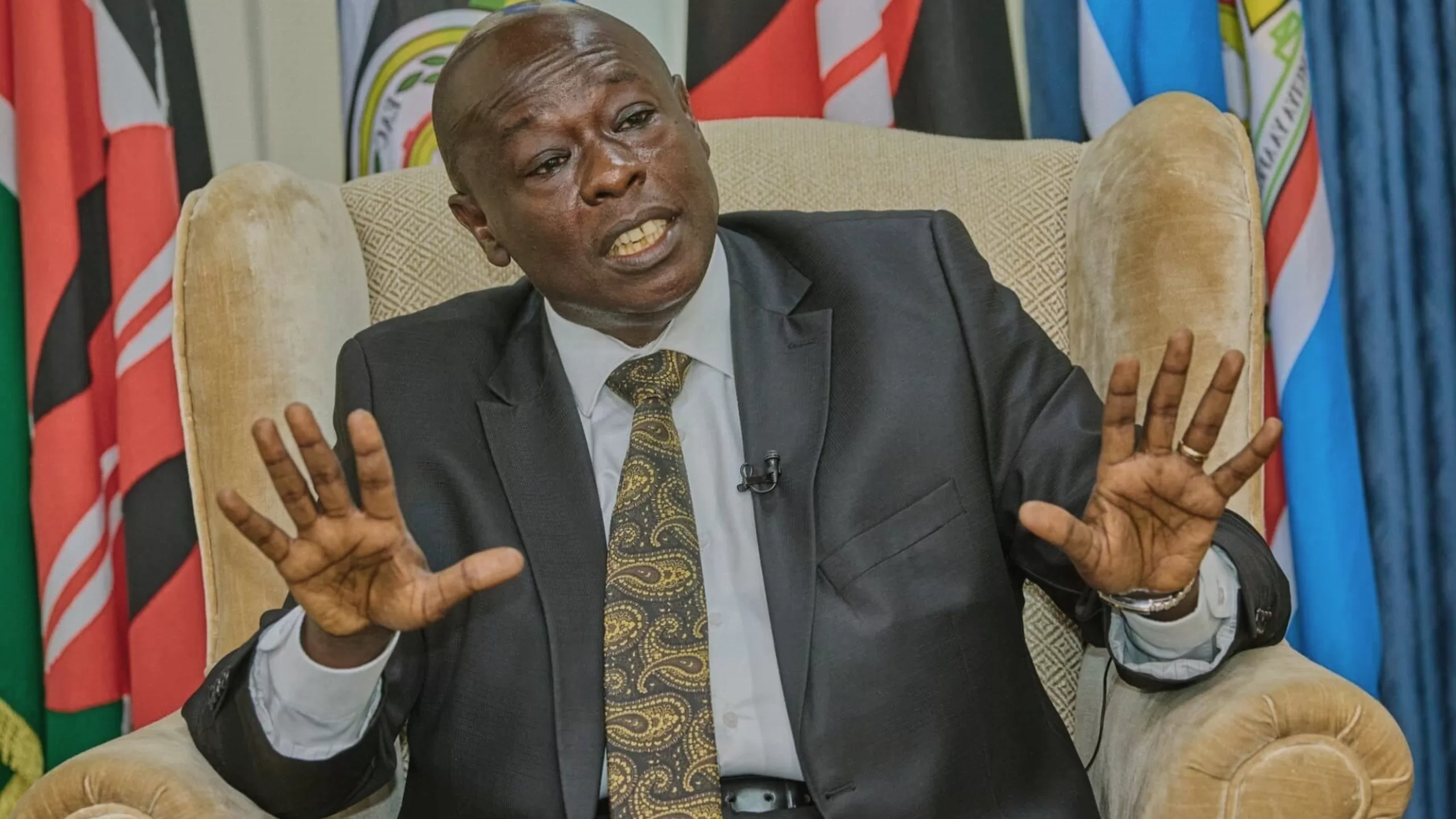
The High Court has allowed former Deputy President Rigathi Gachagua to withdraw a petition challenging his impeachment, bringing an end to his latest legal battle against his removal from office.
Gachagua, through his lawyers, informed the court that he no longer wished to pursue the petition, citing an earlier judgment delivered by the High Court in a similar matter. The former Deputy President told the court that the issues raised in his petition had already been addressed in the previous judgment and that he did not expect the court to arrive at a different decision if the proceedings were allowed to continue.


His lawyers consequently sought permission to withdraw the case, a request that was granted by the court. The withdrawal effectively brings the particular proceedings to an end, although it does not necessarily amount to a judicial determination of the substantive allegations raised in the petition.
Gachagua was removed from office in October 2024 following an impeachment process initiated by Kibwezi West MP Mwengi Mutuse, who tabled a motion seeking his removal from office.
The impeachment motion was formally introduced in the National Assembly on October 1, 2024, before lawmakers debated and voted on it on October 8, 2024. The National Assembly approved the motion with the support of 282 MPs, meeting the constitutional threshold required to impeach a Deputy President. The matter was subsequently forwarded to the Senate for consideration.
The impeachment motion contained 11 charges against Gachagua, including gross violation of the Constitution, undermining President William Ruto and the Cabinet, interfering with judicial independence, undermining devolution, and promoting ethnic divisions. Other allegations included irregular acquisition of wealth, misconduct relating to public institutions and attacks against the National Intelligence Service.
Gachagua denied the allegations and appeared before the Senate to defend himself against the charges. However, on October 17, 2024, the Senate voted to uphold five of the 11 charges, effectively removing him from office.
The upheld charges included gross violation of the Constitution, interference with the independence of judges, violation of the oath of office, alleged offences under the National Cohesion and Integration Act, and gross misconduct involving public attacks against the National Intelligence Service.
The Senate’s decision made Gachagua the first Deputy President in Kenya’s history to be removed from office through impeachment under the 2010 Constitution.