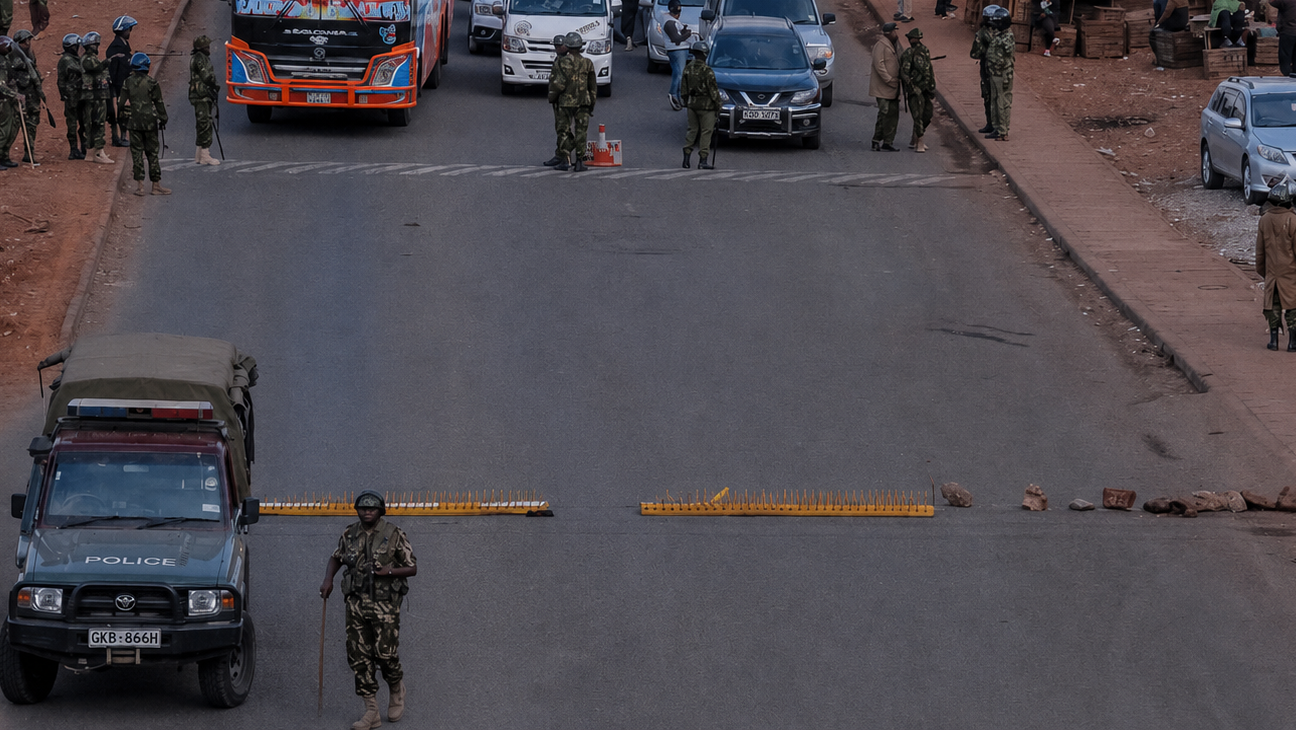
The IG of Police has urged the High Court to dismiss contempt proceedings over the June 25, 2026 protests, arguing that police roadblocks and checkpoints mounted across Nairobi were lawful operational measures taken in response to emerging security threats and did not breach existing court orders.
In a replying affidavit filed on behalf of the Inspector General, Nairobi Regional Police Commander Issa Mohammed Mohamud states that the conservatory orders issued by the High Court in July 2025 did not impose a blanket ban on roadblocks, checkpoints or traffic diversions during demonstrations. According to the affidavit, the court only required police to issue advance public notices where there were pre-planned and structural road closures. The police argue that the June 25 deployments were not pre-arranged but were implemented by area commanders in real time after assessing the evolving security situation.


The Inspector General’s office further argues that organizers of the June 25 protests did not issue the three-day notice required under Section 5 of the Public Order Act, leaving police to make operational decisions as events unfolded.
The affidavit maintains that any traffic disruptions experienced on the day were incidental to policing operations and not intended to block peaceful demonstrations. It adds that members of the public and genuine protesters were allowed to move, while temporary checkpoints were used to identify individuals suspected of planning violence, vandalism or other criminal acts. The police also contend that the checkpoints were authorized under the National Police Service Act, the Public Order Act and the National Police Service Standing Orders, and therefore did not amount to unconstitutional restrictions on the right to assemble.
The Inspector General has asked the High Court to dismiss the contempt application filed by Katiba Institute, arguing that the application is speculative, legally unsustainable and improperly seeks to second-guess operational decisions made by officers on the ground during a rapidly changing security situation.