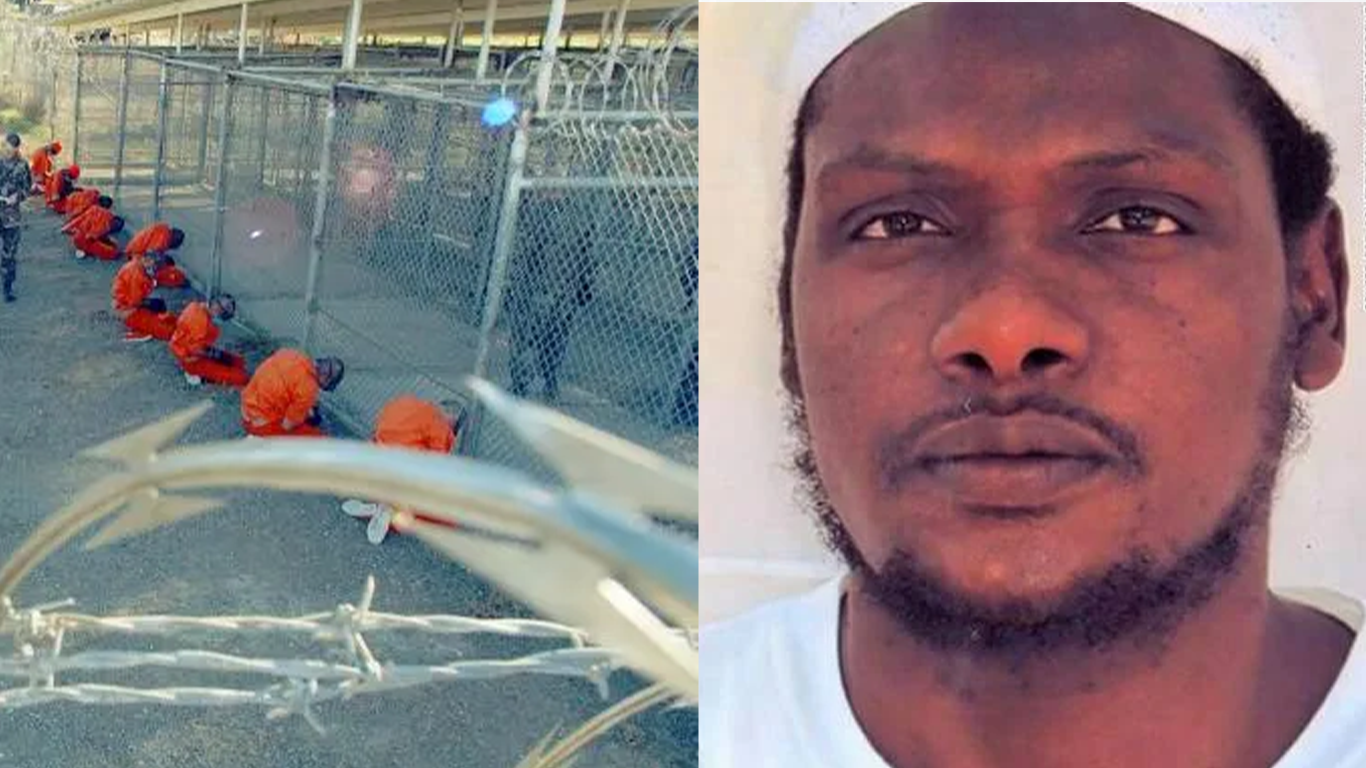
A Kenyan man spent 17 years in detention at the United States military prison in Guantanamo Bay without being formally charged with a crime, the High Court has heard.
American lawyer Frank Panopoulos told Justice David Mburu at the Milimani High Court that he represented Mohammed Abdulmalik from 2018 until his release in 2024, describing his detention as indefinite despite the absence of criminal charges. Panopoulos testified remotely under oath, recounting the harsh conditions Abdulmalik experienced at the facility, including being shackled during transportation and even during meetings with his legal representatives.


He also raised concerns about inadequate medical care and extreme temperatures at the prison, which could exceed 100 degrees Fahrenheit. The lawyer referred to a report by a United Nations Special Rapporteur dated June 14, 2023, which he said described the detention conditions as approaching torture.
The testimony forms part of a case that dates back to 2008, when Abdulmalik’s siblings, Mariam Mohammed and Salim Khamis, filed a petition challenging his transfer into American custody.
According to the family’s case, Kenyan authorities arrested Abdulmalik in February 2007 over suspected links to the 2002 Paradise Hotel bombing in Mombasa before handing him over to US military personnel without domestic judicial extradition proceedings.
The family argued that the transfer violated his constitutional rights, including the right to be presented before a court and charged within the legally prescribed period. They sought his release and repatriation to Kenya, naming the Commissioner of Police and the Attorney General as respondents.
During his testimony, Panopoulos said he helped Abdulmalik prepare for a Periodic Review Board hearing in 2021, following which the board recommended his release.
He explained that the review process involved American defence officials and congressional committees, alongside negotiations between the United States and Kenya. However, he said he was excluded from the negotiations and did not have access to the final agreement.
The lawyer also described attempts to secure better detention conditions for Abdulmalik before his release. In a written brief dated September 22, 2023, Abdulmalik sought changes to six restrictions imposed on him, citing alleged continuing violations of international humanitarian law.
Panopoulos said he wrote to the commander of Joint Task Force Guantanamo requesting a meeting and a review of the restrictions, but received no response.
Even after his release, Abdulmalik has continued to experience difficulties, the lawyer told the court, saying he had been unable to secure employment because of the stigma associated with his detention at Guantanamo.
During cross-examination, state counsel Marwa questioned Panopoulos about the absence of criminal charges and how Abdulmalik had entered American custody.
The lawyer attributed the lack of charges to insufficient evidence and maintained that Abdulmalik had been handed over by Kenyan authorities rather than captured by US officers in Kenya. He declined to disclose further details of the transfer, citing protective orders issued by American courts.
Justice Mburu intervened, directing the state counsel to restrict his questions to the evidence presented by the witness.
The case comes against the backdrop of longstanding international scrutiny of Guantanamo Bay, a detention facility established under former US President George W. Bush following the September 11, 2001, terrorist attacks.
The prison has faced sustained criticism over alleged human rights violations, including the use of torture and so-called enhanced interrogation techniques by the Central Intelligence Agency (CIA) at secret detention sites.
Abdulmalik’s case also highlights the role of the US Periodic Review Board, which assesses whether detainees held at Guantanamo should continue to be detained or can be transferred elsewhere.
In a separate development previously reported by CNN, detainees including individuals identified as Bajabu and Duran were cleared for release following review proceedings. Their cases illustrated how approval for release does not necessarily result in immediate freedom, as the US government must first negotiate diplomatic arrangements with receiving countries.
Duran, described by his lawyer as the first high-value detainee to be cleared by the review board, had been held at Guantanamo without charge since September 2006, according to the Centre for Constitutional Rights. He had also alleged that he was tortured while held at a CIA-operated detention site.
US authorities have previously said that detainees cleared for transfer must remain in custody until suitable diplomatic arrangements are finalised. The review process has therefore been a central part of efforts to determine the future of prisoners held at the facility.
Back in Kenya, Justice Mburu directed the parties in Abdulmalik’s case to file and exchange their final written submissions. The petitioner was given 14 days to file and serve submissions, after which the respondents will have 14 days to respond.
The matter was scheduled for mention on November 25 to confirm compliance with the court’s directions.