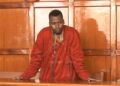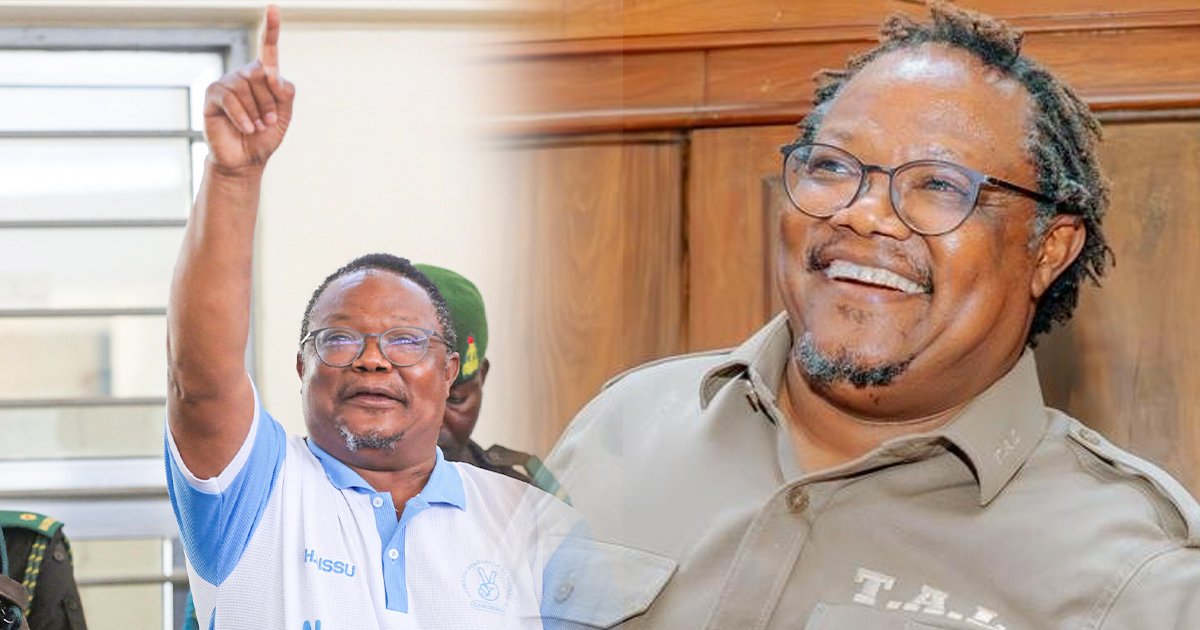
Tanzania’s main opposition leader, Tundu Lissu, has been cleared of treason but found guilty of incitement by the High Court in Dar es Salaam, in a closely watched trial linked to his calls for electoral reforms ahead of the country’s 2025 general election.
A three-judge bench ruled that the prosecution had failed to establish a crucial element of the treason charge, resulting in Lissu’s acquittal on the serious offence that carries the possibility of a death sentence. However, the court found him guilty of the lesser charge of incitement. The judges were still delivering their ruling, with the reasons behind the conviction and the sentence yet to be announced.

The 58-year-old Chadema party leader has been in detention since April 2025, following his arrest over statements he made during a campaign demanding changes to Tanzania’s electoral system. He had repeatedly denied the accusations, maintaining that his remarks were political expressions protected by his right to advocate for democratic reforms.
Lissu, who is a lawyer and represented himself throughout the proceedings, argued that prosecutors had distorted his statements and presented them outside the context in which they were made. He maintained that his campaign was aimed at securing electoral changes rather than overthrowing the government or disrupting the electoral process.
The prosecution, however, accused him of making statements intended to provoke public unrest and interfere with the 2025 general election, arguing that the remarks amounted to treason.
Among the reforms Lissu and Chadema had been demanding were an independent electoral commission, freedom for political parties to campaign without police interference, an end to the use of government-appointed district officials as returning officers and protection for party agents during vote counting. They also wanted presidential election results to be open to challenge before the courts.
His arrest came months before the October 2025 election, which President Samia Suluhu Hassan won with 98 per cent of the vote. The opposition rejected the outcome, particularly after its leading challengers, including Lissu, were prevented from participating.
The case has drawn international scrutiny, with human rights organisations raising concerns about political freedoms and the treatment of opposition figures in Tanzania.
While in custody at Ukonga Prison in Dar es Salaam, Lissu reportedly staged two hunger strikes after alleging that prison authorities had restricted access to his lawyers and family. He also complained that prison guards monitored confidential consultations with his legal team. Prison authorities denied the allegations.
The political tensions surrounding the trial have been heightened by the violence that followed the 2025 election. An official inquiry put the number of people killed during the protests and subsequent security crackdown at at least 500, although opposition groups have claimed the actual toll was significantly higher.
The government has defended its response to the unrest, rejected allegations of widespread repression and maintained that the election was legitimate.
Following his conviction for incitement and acquittal on treason, Lissu has the right to challenge the decision before Tanzania’s Court of Appeal, the country’s highest appellate court.