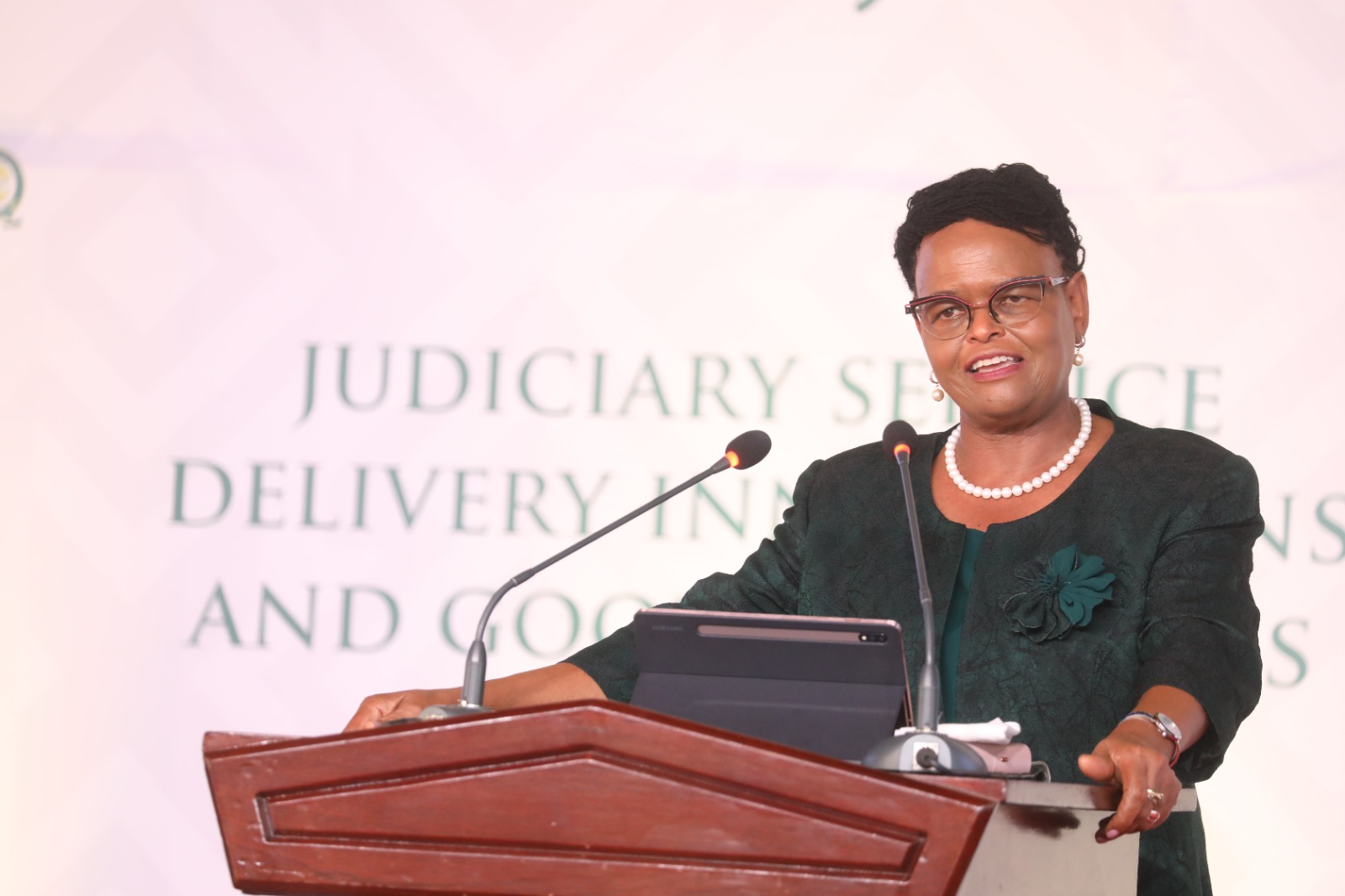
The Judiciary has begun preparations to handle electoral disputes arising from the 2027 General Elections, with Chief Justice and President of the Supreme Court Martha Koome announcing the rollout of a specialised training programme targeting more than 400 judges, judicial officers and Judiciary personnel.
Speaking during a media briefing on the Judiciary’s preparedness for the 2027 elections, Justice Koome said early preparations were necessary because electoral disputes are governed by strict constitutional and statutory timelines and often involve complex legal, evidentiary and electoral issues.


She said the Judiciary, through the Kenya Judiciary Academy and the Judiciary Committee on Elections, would implement the Election Dispute Resolution (EDR) training programme in phases. The ongoing training for High Court judges follows the completion of a specialised Training of Trainers programme involving 40 participants, who are expected to support the wider rollout of the programme.
According to the Chief Justice, the training will strengthen the capacity of courts to resolve electoral disputes competently, consistently, impartially and within timelines prescribed by law. The programme will cover the constitutional and statutory framework governing elections, pre-election disputes, election petitions, jurisdiction, statutory timelines, scrutiny and recounts, results management and transmission, emerging electoral jurisprudence and appeals.
The Judiciary will also focus on emerging challenges involving digital evidence and electoral technology, as well as active case management and professional ethics.
Justice Koome said the preparations would go beyond training, with the Judiciary assessing its institutional capacity to ensure courts and registries have adequate personnel, administrative systems, technological infrastructure and logistical support to deal with election-related cases. She said effective case management would be a key priority, given the strict timelines within which electoral disputes must be determined.
The Judiciary will strengthen registry operations, filing and records management, hearing schedules and the timely preparation and delivery of judgments in an effort to minimise avoidable administrative delays while protecting litigants’ right to a fair hearing.
Justice Koome also highlighted the need to prepare judges and judicial officers to deal with the growing use of technology in elections. She said modern elections increasingly involve electronic records, digital communication and technology-based results management systems, requiring judicial officers to have the necessary expertise to assess digital evidence and determine disputes involving electoral technology.
The Judiciary is also assessing its human, financial and logistical requirements ahead of the polls, including staffing, court registries, technology and other resources required to support electoral dispute resolution. Justice Koome said the institution would pursue the necessary budgetary and institutional arrangements to ensure courts are adequately equipped to discharge their constitutional mandate.
The Chief Justice further announced plans to strengthen public communication and access to information on electoral dispute resolution.
She said Kenyans needed accurate information on the jurisdiction of courts, procedures for instituting electoral disputes and the principles guiding judicial decisions. The Judiciary will continue engaging the media and the public to improve understanding of electoral justice processes and counter misinformation that could undermine confidence in constitutional institutions.
Justice Koome assured Kenyans that the Judiciary would remain independent and impartial when dealing with election disputes, despite the intense political interest that typically surrounds electoral cases. “Every case that comes before our courts will be considered on its merits, based on the evidence presented and the applicable law,” she said. She stressed that every litigant, regardless of political affiliation, status or position, was entitled to equal treatment before the law and a fair hearing.
The Chief Justice also called on political leaders, political parties, candidates and their supporters to respect the independence of the Judiciary and use the constitutional mechanisms established for resolving electoral disputes. She cautioned against intimidation, improper influence or undue pressure on judicial proceedings, saying political disagreements should be pursued through lawful channels.
Justice Koome also urged the media to exercise responsibility and accuracy when reporting on electoral matters and judicial proceedings.
She said journalists should distinguish allegations from established facts and political commentary from judicial determinations, noting the media’s important role in informing citizens, promoting accountability and strengthening confidence in democratic institutions. “As we approach the 2027 General Elections, I want to assure Kenyans that the Judiciary is treating electoral preparedness as a matter of the highest institutional priority,” Justice Koome said.
She said the Judiciary would continue strengthening professional capacity, addressing operational gaps, mobilising resources and establishing systems to support effective electoral dispute resolution.
The Chief Justice reaffirmed the Judiciary’s commitment to safeguarding constitutional democracy and the rule of law, promising that properly filed electoral disputes would be handled by an independent, impartial and competent Judiciary in accordance with the Constitution and the law.