A United States federal jury in Boston, Massachusetts, has found a Rwandan-born American citizen guilty of perjury and obstruction of justice over false statements he made about his alleged involvement in the 1994 Rwandan genocide.
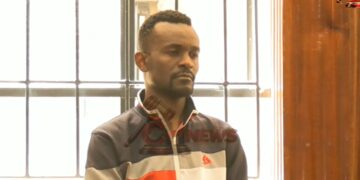
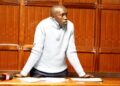
Eric Nshimiye, 55, was convicted on Tuesday on four counts of perjury and one count of obstruction of justice following a trial examining his testimony in an earlier case involving Jean Leonard Teganya, a former medical school roommate who was convicted of participating in the genocide.
During Teganya’s 2019 trial in Boston, Nshimiye testified that neither he nor his former roommate had participated in the killing or sexual violence against members of Rwanda’s Tutsi minority in Butare, where the two had studied medicine.
US investigators later accused Nshimiye of making false statements about his activities during the genocide. Homeland Security investigators arrested him at his home in Ohio in 2024.
Prosecutors initially brought several charges against Nshimiye, including perjury, obstruction of justice and immigration fraud. They alleged that he had concealed his involvement in the atrocities when applying to enter the United States and later obtain citizenship. Nshimiye became a US citizen in 2009. However, prosecutors withdrew the immigration-related charge before the trial commenced. The jury ultimately convicted him on the five remaining counts.
Assistant Attorney General A. Tysen Duva of the US Department of Justice’s Criminal Division said Nshimiye had concealed his alleged involvement in the genocide for decades before making false statements to immigration officials and a federal jury.
Following the verdict, Nshimiye’s lawyers asked the court to consider the approximately two and a half years he had already spent in custody when determining his sentence. They argued that the period already served exceeded the typical punishment for the offences of which he was convicted and requested his release.
His family, including his American-born children, attended the court proceedings when the verdict was delivered. His son, Tresor Nshimiye, said the family had anticipated a different outcome and hoped his father would be allowed to return home.
The trial featured testimony from witnesses who accused Nshimiye of participating in killings and other acts of violence against Tutsis in Butare during the 1994 genocide. Prosecutors also presented expert witnesses to provide background on Rwanda and explain the historical circumstances surrounding the mass killings.
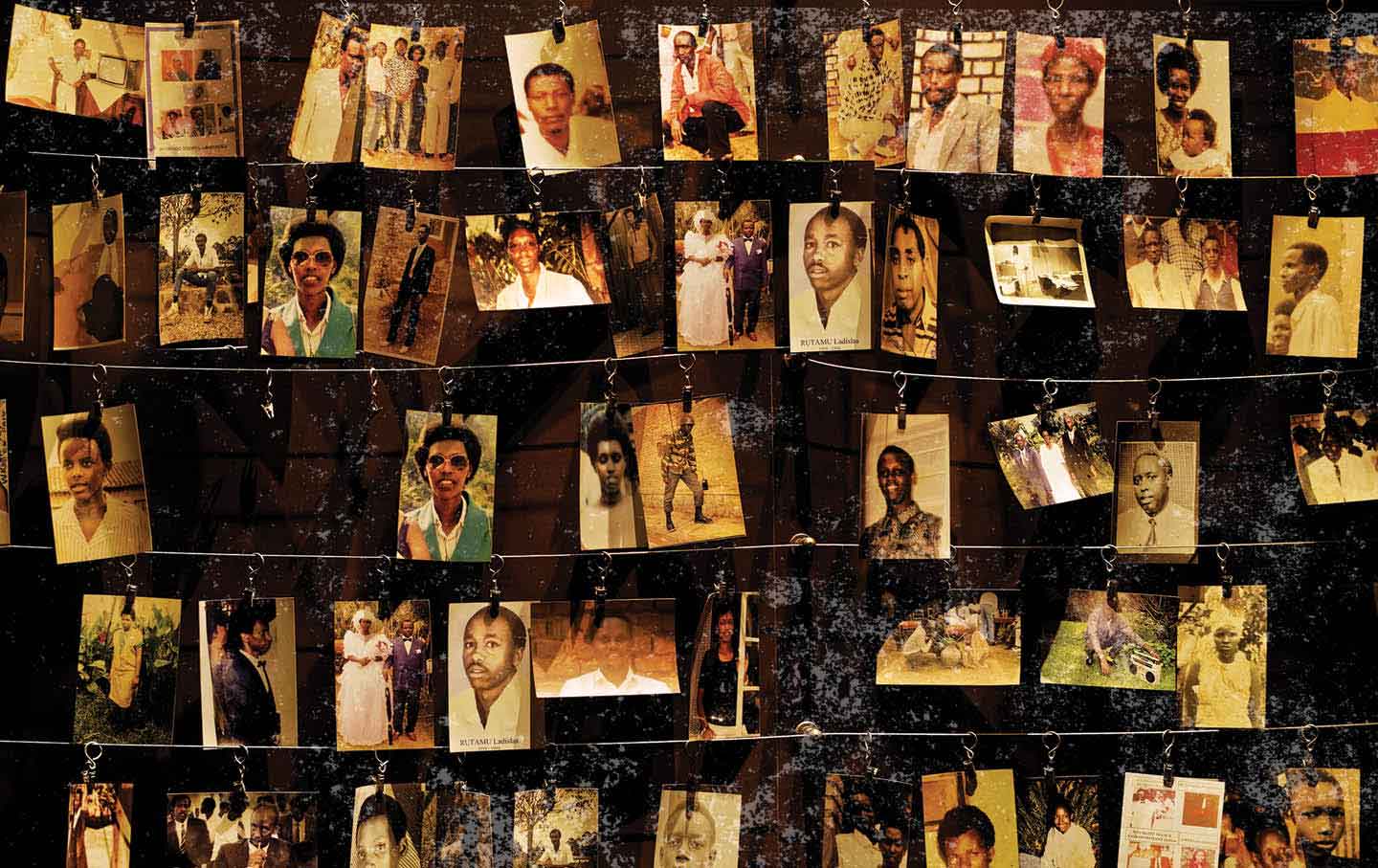
The genocide, carried out largely by hardline members of Rwanda’s Hutu majority against the Tutsi minority and other targeted individuals, left more than 800,000 people dead over approximately 100 days.
Some witnesses told the court that Nshimiye had links to the National Revolutionary Movement for Development, a pro-Hutu political party, and the Interahamwe militia, which played a major role in carrying out the killings. Nshimiye’s defence team disputed the allegations, arguing that he had never been implicated in post-genocide proceedings before domestic or international tribunals, including the International Criminal Tribunal for Rwanda and Rwanda’s community-based gacaca courts.
The lawyers also challenged the credibility of prosecution witnesses, highlighting what they described as inconsistencies in their accounts. They presented other witnesses who claimed Nshimiye had been in Kigali and other locations in Rwanda during the period in question. The defence further alleged that Rwandan authorities had influenced the investigation by meeting some witnesses before they testified in the United States.
Tresor said the case had ultimately come down to conflicting accounts of events that occurred more than three decades ago. He maintained that the family had struggled to reconcile the jury’s decision with the outcome they had hoped for.
Nshimiye’s conviction comes amid several other US prosecutions involving individuals accused of concealing their alleged participation in the Rwandan genocide.
In April 2025, prosecutors charged Faustin Nsabumukunzi, a 65-year-old beekeeper living on Long Island, New York, with allegedly hiding his involvement in the genocide while seeking US citizenship. Two months later, authorities charged Vincent Nzigiyimfura, also 65, of Dayton, Ohio, with allegedly concealing his role in the atrocities during his citizenship application process.
The cases form part of broader efforts by US authorities to investigate and prosecute individuals suspected of participating in the 1994 genocide who later settled in the country.