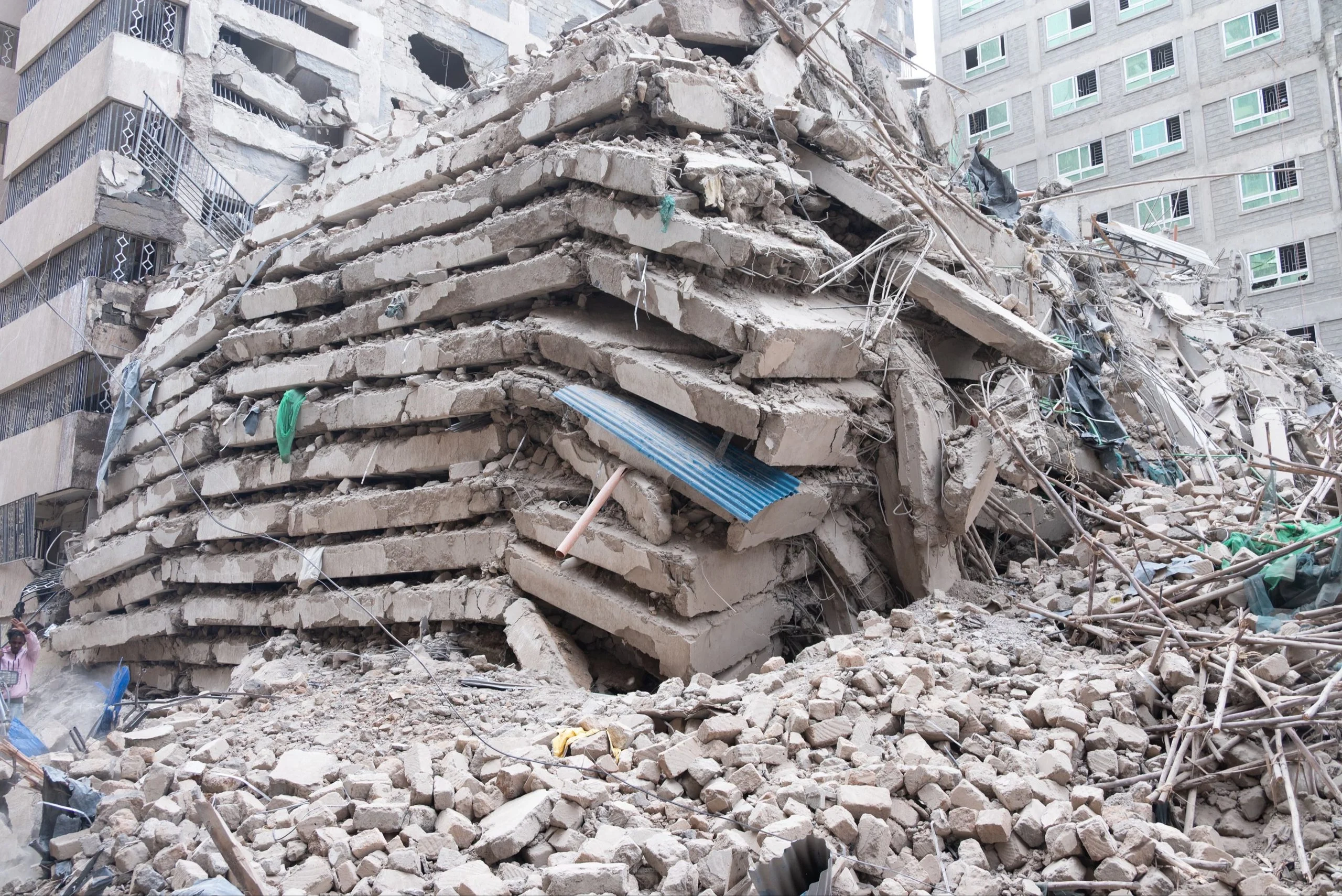
The Director of Public Prosecutions (DPP) has directed the Directorate of Criminal Investigations (DCI) to investigate the circumstances surrounding the collapse of a multi-storey building in Eastleigh, Nairobi, and forward the investigation file for independent review and legal directions.
The directive comes as authorities face mounting questions over construction approvals, compliance with building regulations and the possible criminal responsibility of those involved in the project.


The DPP wants investigators to establish what led to the collapse and determine whether any offences were committed in the construction or approval of the building. The investigation file will be subjected to an independent review by the Office of the Director of Public Prosecutions (ODPP), which will determine the appropriate legal action based on the evidence gathered.
The building, located along 9th Street in Eastleigh, collapsed on Friday, October 23, triggering an emergency rescue operation as reports emerged that workers and other people could be trapped beneath the rubble. The incident prompted a multi-agency response involving security officers, emergency personnel and construction regulators, with rescue teams working to locate those who may have been buried under the debris.
Interior Cabinet Secretary Kipchumba Murkomen announced that the investigation would involve the DCI, Nairobi County inspectors, the National Construction Authority (NCA) and other relevant agencies.
The NCA subsequently identified 9th Street Plaza Limited as the developer and Stromax Holdings E.A. Limited as the contractor listed in its records for the proposed development. The authority also named architect Emmanuel Mwangi Maina and structural engineer Joseph Muturi Mugu as the professionals listed against the project, which was registered on July 30, 2025.
However, the identification of the parties in the authority’s records does not, by itself, establish responsibility for the collapse.
Nairobi Governor Johnson Sakaja has raised concerns over the building’s compliance with construction requirements, saying the county had not approved the architectural plans submitted for the development. The collapse has renewed scrutiny of the enforcement of building regulations in Nairobi, particularly the approval of construction plans, inspection of ongoing projects and the accountability of developers and professionals.
The DCI’s findings are expected to help establish the circumstances that led to the disaster and whether there is sufficient evidence to warrant criminal proceedings against any person or entity.
The ODPP will independently review the file and issue legal directions before any prosecution decision is made.